Dreaming of stepping from your patio to your boat in minutes? In Coronado Cays, you can. But before you fall in love with the water views, you need to know how HOAs, recorded wharfage rights, and marina rules actually work. This guide breaks down the legal and practical pieces so you can buy with confidence and avoid surprises. You’ll learn how slips are owned or assigned, what rules tend to apply, who maintains marine structures, and the key documents to request. Let’s dive in.
What Coronado Cays offers
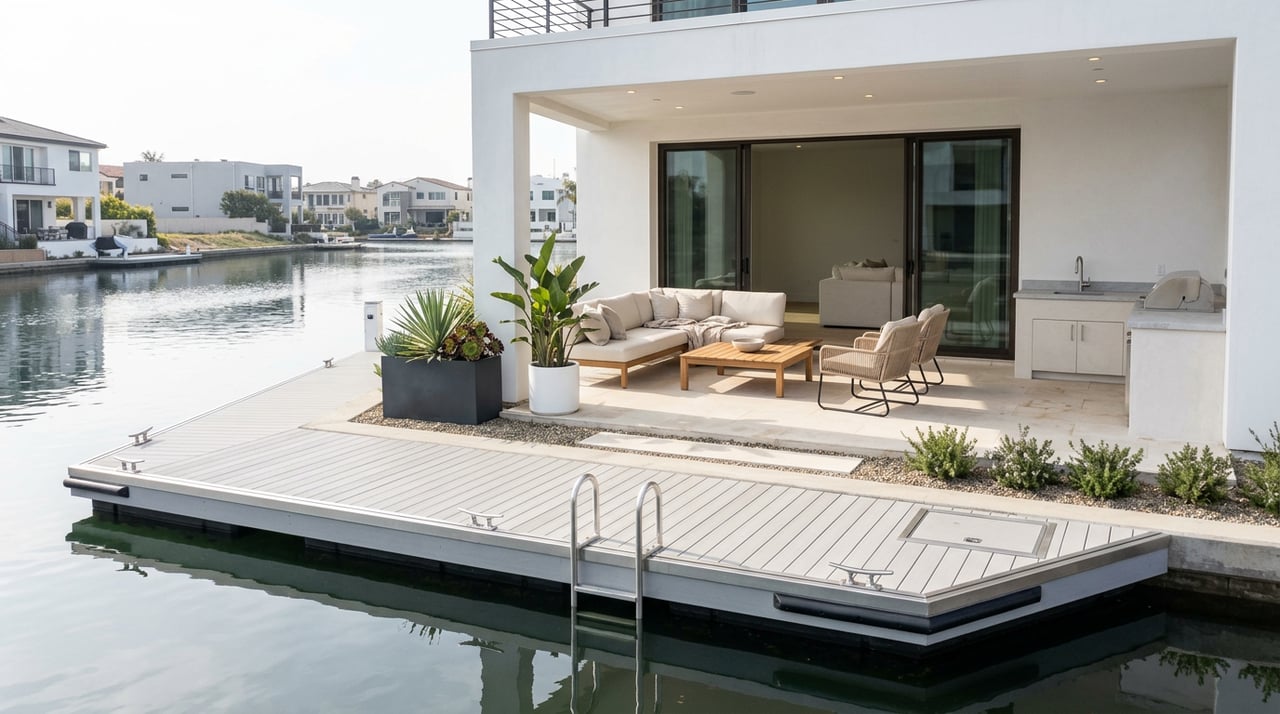
Coronado Cays is a planned, gated marina community along the Silver Strand made up of multiple waterfront villages where many homes sit on man‑made inlets. It was built for close-to-the-water living and a true boating lifestyle. You can get a feel for the neighborhood layout and village names in this local overview of Coronado Cays.
At the community scale, local market pages describe hundreds of dock and wharfing opportunities, with some sources citing an estimate of 900 plus boat slips across the Cays. Treat this as a community-level figure and confirm counts for any specific village or complex, as practices vary by subdivision. You can see an example of this high-level estimate in a Coronado market page that references 900 plus boat slips.
For context, Coronado also has public marina capacity. Glorietta Bay Marina is a city facility with its own management and policies, which is different from most private or HOA-linked slips inside the Cays. You can review the city-run facility details at the Glorietta Bay Marina page.
HOA and wharfage basics
In the Cays, governance is layered. There is master and sub-association oversight with recorded CC&Rs, plus recorded wharfage or dock instruments from the original development, and municipal permits that frame how docks are used. A notable appellate decision discussing the history of these controls, including a 1968 special-use permit and later amendments, appears in the court summary for Applegate Props., Inc. v. Coronado Cays HOA. It highlights how recorded documents and long-term practices shape modern access and use. You can read that case summary here: Applegate v. Coronado Cays HOA.
What this means for you: recorded CC&Rs, wharfage declarations, leases to marina operators, and any city permits together determine whether a slip transfers with a home, who may receive gate keys, and who pays for dock or bulkhead work. Titles and recorded instruments control the outcome, not informal practices. Always plan a careful title and document review for any dockside purchase.
Slip ownership models
You will generally encounter three models for boat berthing rights in Coronado Cays. Each affects financing, transfer, and day-to-day convenience.
1) Deeded or appurtenant slips
Sometimes a slip is conveyed with the residence and appears on title as real property or as an appurtenance. This is often the cleanest transfer model because rights pass with the property and lenders can treat the slip like real estate. Community pages and listings within the Cays frequently describe units with deeded dock or wharfage rights, but you must confirm with the recorded deed and title commitment. For neighborhood context and where these descriptions often appear, see the Coronado Cays communities page.
2) Assigned or allocated slips via HOA
In many cases, CC&Rs allocate exclusive use of a slip to a unit even if the slip is not a separate deeded parcel. These rights typically transfer per the association’s documents. That said, associations may require approvals or impose transfer fees. Confirm the allocation is recorded and ask for the exact transfer steps and any fees.
3) Leasehold or marina-operator slips
Some docks are owned by a private marina operator that leases slips to tenants. In these cases, the slip is a lease or license rather than real property, and the operator sets rules for keys, guests, and transfers. The Montego Bay Marina listing in the California Division of Boating and Waterways is an example of a private marina facility located inside the Cays. Private yacht-club marinas and other members-only facilities in the Cays also have their own rules, which differ from both HOA-only and city-run models.
Why the model matters
- Financing and appraisal. Lenders tend to view deeded slips more favorably than leased or licensed slips. Appraisers also treat them differently based on how rights are recorded.
- Transfer certainty. Deeded or clearly recorded allocations reduce risk at closing. Leasehold slips may be non-transferable or subject to operator approval.
- Daily convenience. Gate keys, guest access, and storage rules are easier to manage when rights are clear and aligned with HOA policy.
- Insurance and liability. The right policy depends on who owns or manages the dock and whether the slip is real property or a license.
For more on financing differences between deeded and leasehold slips, see this practical guide on financing a condo with a boat slip.
Rules, access, and costs
Most associations and marinas publish rules that govern vessel size, gear storage, bilge discharge, parking, live-aboard limits, hours, and noise. These rules shape daily life. Never assume a verbal practice equals a recorded right. You will often find rules and dock references in community materials like the Cays communities page.
Gate access is a special focus in the Cays. The Applegate case shows how HOA key control and nonresident access can trigger disputes. If you plan to lease a slip or rely on a third-party operator, get the gate policy in writing and confirm who is eligible for keys and how guests are managed. You can see background on these issues in Applegate v. Coronado Cays HOA.
Maintenance and assessments
Who pays for bulkheads, pilings, docks, and dredging depends on recorded documents. Court summaries show that repairs and replacements often spark disputes, especially where leases, wharfage grants, and bulkhead responsibilities overlap. Hooker v. Varley is one decision that illustrates how these overlapping obligations can become contested. You can review that summary here: Hooker v. Varley.
Large marine projects can lead to special assessments or dues increases. Sellers must supply the most recent budget, reserve study, and any pending assessment notices in the resale packet. For a quick overview of what a typical resale or estoppel packet includes, review this guide to HOA resale documents.
Insurance and flood maps
Associations usually carry a master policy for common areas, while owners maintain their own homeowners and watercraft coverage. Because the Cays are coastal, you should also check FEMA Flood Insurance Rate Maps for the exact parcel, since lender requirements and pricing may change with flood-zone status. The City of Coronado’s page links to FEMA/FIRM resources and notes past map updates. Start here: FEMA flood maps for Coronado.
Buyer due diligence checklist
Request and review these items early. Confirm details before you remove contingencies.
- HOA resale packet or estoppel certificate
- Seek current dues, budgets, reserve study, insurance summaries, CC&Rs, bylaws, rules, and any pending assessments. See a general overview of resale packet contents.
- Preliminary title report and recorded instruments
- Confirm whether any slip or wharfage right appears on title. Get copies of all recorded easements, leases, and wharfage or wharf reservation documents. Past disputes in the Cays show recorded documents decide access and use.
- Slip lease or assignment and marina rules
- If the slip is not deeded, request the lease or license, the operator’s rules, and the transfer process. Ask if HOA or operator approval is required and whether transfer fees apply. If you are dealing with a private operator, confirm details directly. You can see an example of a private facility at Montego Bay Marina.
- HOA financials and reserves
- Ask for the current budget, last two to three years of financials, the most recent reserve study, and recent board minutes referencing dock, seawall, or dredging projects.
- Insurance and flood status
- Obtain HOA master policy details and owner insurance requirements. Check FEMA/FIRM status for the property and get quotes if the parcel is in a Special Flood Hazard Area. Start with the City’s FEMA map page.
- Gate and land access policy
- Confirm who can receive keys or codes and how nonresident lessees or guests are handled. The key policy matters when slips are leased or when guests need dock access.
- Litigation search and disclosures
- Ask for disclosures of any pending HOA or marina litigation, especially related to wharfage, keys, easements, docks, or bulkheads. Court histories show access and maintenance issues can recur.
- Physical inspections
- Order a marine or dock inspection, seawall or bulkhead inspection, and electrical assessment on the dock. If a boat must fit a certain slip, get a marine survey. Confirm permits for recent or planned dock work.
- Financing and appraisal review
- Share the title and HOA packet with your lender and appraiser early. Loan options can change if a slip is a license rather than real property. For background, see this guide to financing with a boat slip.
- Direct call with the marina operator
- If a third-party operator is involved, confirm waitlists, sublease rules, guest policies, and any changes planned for the facility. Document names and written policies.
Red flags to watch
- Ambiguous slip status on title or missing recorded language for transfer.
- Large pending special assessments or a history of surprise assessments for docks, seawalls, or dredging.
- Reserve studies that show deep underfunding for marine capital projects.
- Active or recent disputes about key access, easement rights, or slip usage.
- Short-term or non-assignable marina leases where you could lose the slip after closing.
- Insurance gaps or costly flood requirements that change your total monthly spend.
Smart offer and contingencies
Use your offer to protect your boating goals and your budget.
- Require the seller to deliver the HOA resale packet and a title commitment within a short window, with time to review and extend if issues surface.
- Add contingencies for confirming slip transferability and recorded status, a satisfactory marine or dock inspection, and a clean statement of pending assessments.
- If a slip transfer depends on a third party, require a written statement of approval conditions and fees before you remove contingencies.
Who to have on your team
For a smooth Cays purchase, assemble the right experts early.
- A Coronado Cays agent with dock and HOA experience who can spot local nuances.
- A title officer who understands maritime and wharfage exceptions.
- A real estate attorney for complex deed or wharfage language.
- A marine-structure inspector for docks, pilings, and seawalls.
- An insurance broker who writes coastal and flood policies.
- A lender and appraiser familiar with deeded versus leasehold slips.
Buying in Coronado Cays can unlock an incredible on-the-water lifestyle when you have a clear plan. If you want a tailored strategy for a specific village or property, connect with The Morabito Real Estate Group. Our team pairs deep Coronado expertise with a white-glove process so you can navigate HOA rules, wharfage, and marina options with confidence.
FAQs
What is wharfage in Coronado Cays and why does it matter?
- Wharfage refers to recorded instruments that grant or limit dock and slip use. In the Cays, these documents, along with CC&Rs and permits, decide who can use a slip, how it transfers, and who pays for maintenance.
How are slips typically owned or controlled in the Cays?
- Slips are often deeded to a property, allocated by HOA documents, or leased from a private marina operator, and each model has different rules for transfer, financing, and access.
Who pays for dock, piling, or seawall repairs near a Cays home?
- Responsibility depends on recorded documents, leases, and CC&Rs; it may fall to the owner, sub-association, master association, or a marina operator, so confirm in writing during due diligence.
Do nonresidents get gate keys to access Cays docks?
- Gate access is controlled by HOA or operators and has been the subject of disputes in the past, so you should obtain the current written gate and key policy before closing.
What should I request from the HOA before removing contingencies?
- Ask for the resale packet with CC&Rs, rules, budgets, reserve study, insurance details, and any assessment notices, plus title reports and any wharfage or slip documents tied to the property.
How do flood maps affect a Cays purchase?
- FEMA Flood Insurance Rate Maps can change insurance needs and lender requirements, so check the property’s current map status and get quotes to model your total monthly cost.