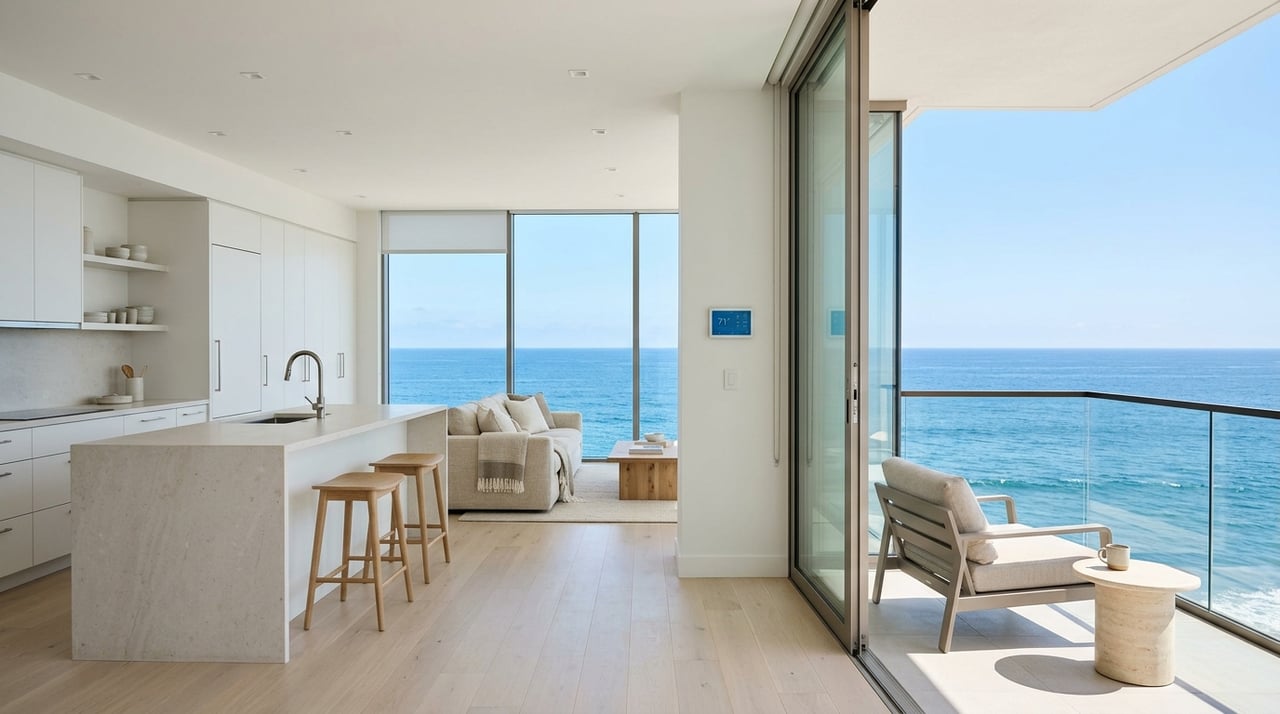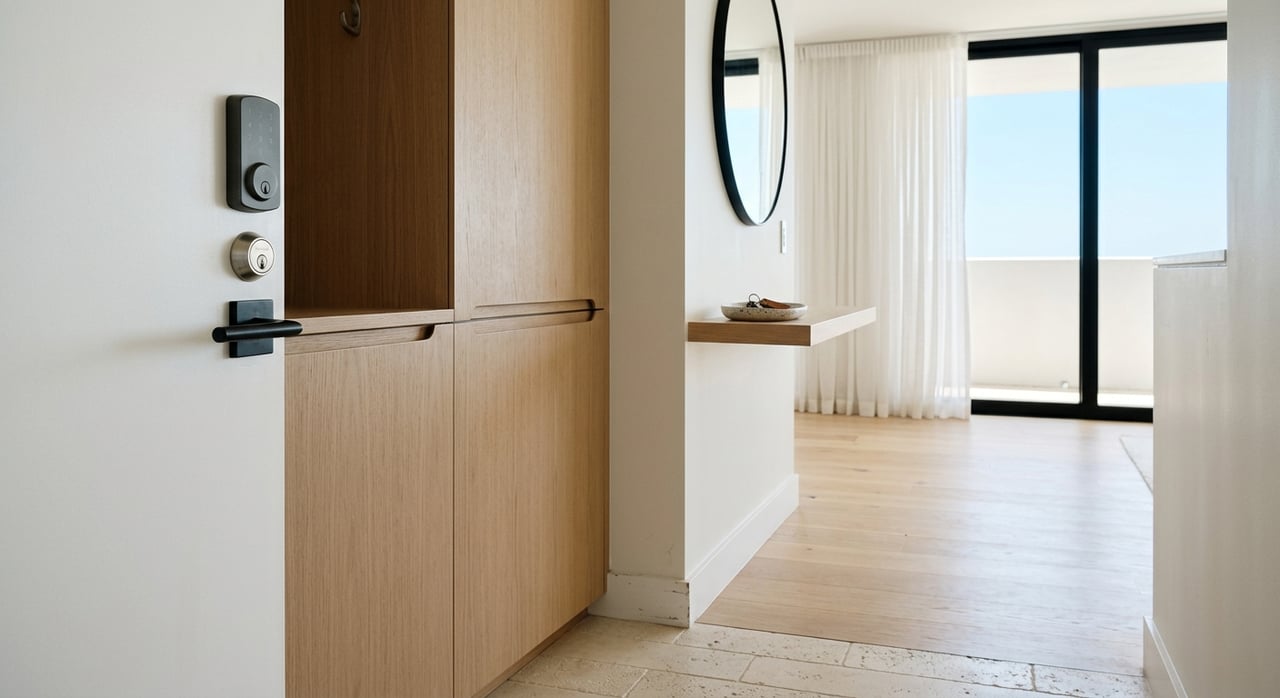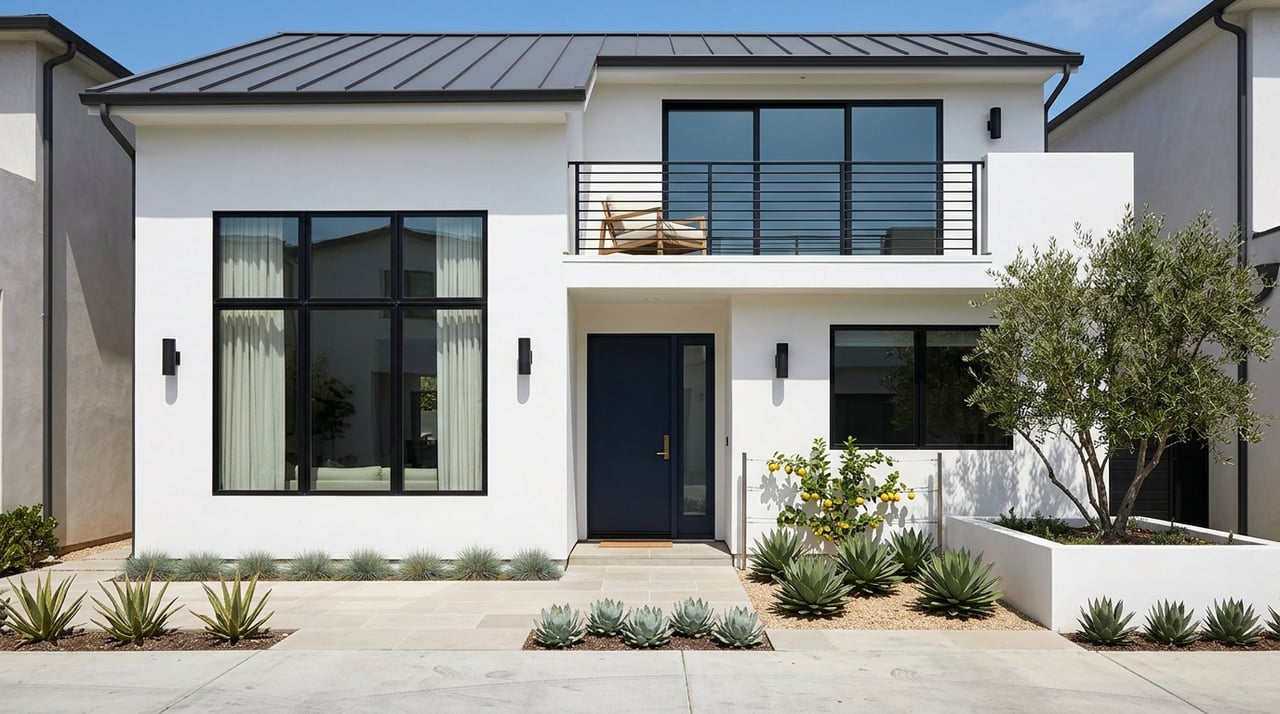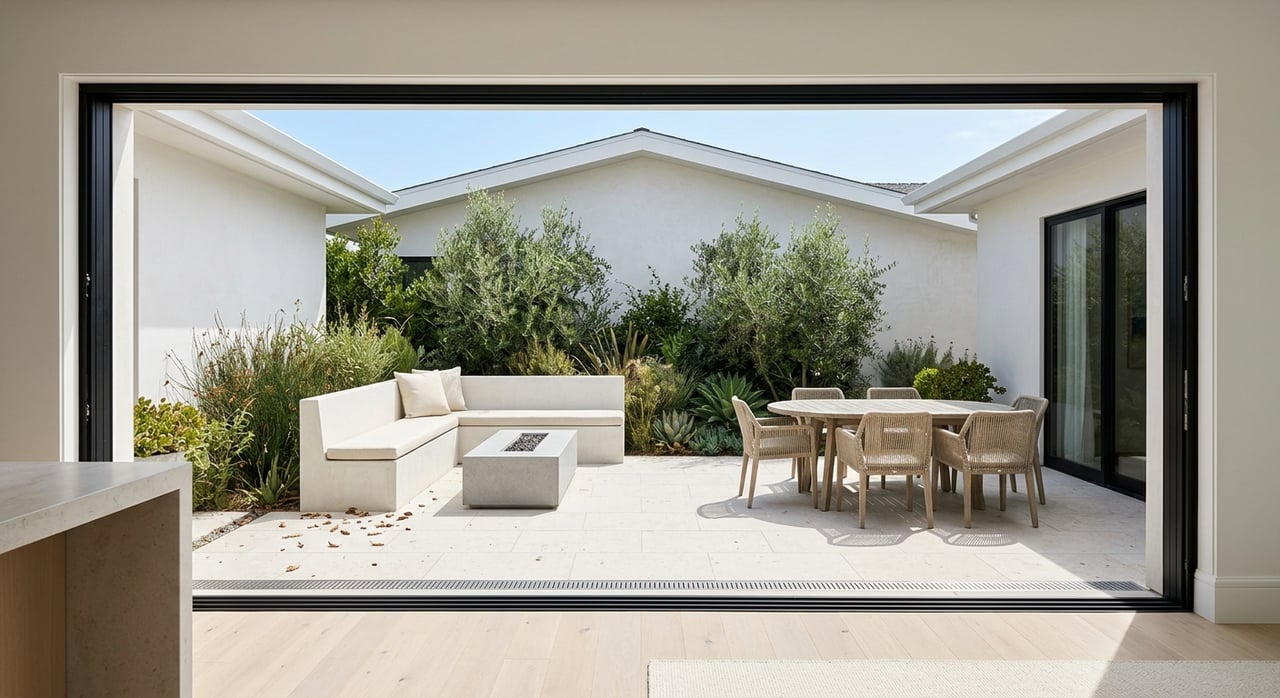
Picture this: you slip into La Jolla for long weekends, step out to ocean views, and lock up with ease when it’s time to head home. If that sounds like your ideal second home, you’re not alone. La Jolla offers a stunning coastal lifestyle, but it also comes with higher prices, coastal regulations, and unique ownership rules that you should understand before you buy. In this guide, you’ll learn where to focus, how short‑term rental rules work, what financing and taxes look like, and the coastal and HOA details that many buyers miss. Let’s dive in.
La Jolla at a glance
La Jolla is a high‑price, low‑inventory coastal market. Recent market indexes place typical median home values in the multi‑million‑dollar range, often around the mid‑two‑million mark. For a second home, that makes a realistic budget essential. Plan for the purchase price plus carrying costs like property tax, insurance, HOA dues, utilities, and maintenance. Expect higher ongoing costs for properties nearest the beach or on bluff tops.
Most second‑home buyers fit one of three profiles:
- Pure personal use with no rentals.
- Personal use with occasional short‑term rentals while away.
- Investment‑oriented short‑term rental focus.
Your plan affects financing, taxes, HOA fit, and the neighborhoods that best match how you want to use the home.
Choose your La Jolla location
The Village and La Jolla Cove
Walkable and iconic, the Village around Prospect Street and La Jolla Cove places you near shops, dining, and the water. Many options are smaller condos and upscale townhomes. Expect more visitor activity, limited parking, and occasional noise tradeoffs along with convenience.
La Jolla Shores
If easy beach access is a must, the Shores offers sandy coastline and a mix of low‑rise condos and beach cottages. Properties closest to the water can carry added considerations, including seawall, bluff, or flood factors. Review elevation, drainage, and any shoreline‑related disclosures before you write an offer.
Bird Rock
South of the Cove, Bird Rock blends a neighborhood commercial strip with single‑family homes and smaller condo buildings. You get strong walkability with a more local vibe than the Village’s visitor core. Inventory can be tight, so clarity on your must‑haves helps you move quickly when the right home appears.
Muirlands, La Jolla Farms, Torrey Pines area
These inland or bluff‑top areas typically offer larger lots, privacy, and sweeping views. You may face stricter bluff and erosion rules for improvements in some locations. If you value space and seclusion, these micro‑markets are worth a close look.
Can you rent your second home?
If you plan to host short‑term guests, San Diego has clear rules that apply to most La Jolla properties within city limits.
- The City of San Diego requires a Transient Occupancy Tax registration for any rental of less than one month. Operators must collect and remit TOT, and you must include your certificate number in listings. Measure C updated zone rates effective May 1, 2025. Review the City’s program details on the Transient Occupancy Tax page at the time you buy. See the City’s guidance on Transient Occupancy Tax requirements.
- The City also requires a Short‑Term Residential Occupancy license. License tiers differ for home‑share and whole‑home rentals, and some whole‑home licenses require minimum utilization, such as 90 days per year, to remain valid. A single Host cannot hold multiple whole‑home licenses, and each dwelling needs its own license. Start with the City’s Short‑Term Residential Occupancy program page.
Always verify HOA and CC&R rules for any condo or planned community, since associations can be stricter than city rules and may limit or prohibit short‑term rentals entirely. If your parcel sits outside city limits, separate county TOT rules can apply; confirm your property’s jurisdiction before you count on rental income.
Revenue potential varies by season, location, and property type. Market trackers show strong average daily rates in La Jolla overall, but your net must account for management fees, TOT, insurance, cleaning, utilities, and vacancy. Build your pro forma on property‑level comps, not broad averages.
Financing, taxes, and costs
Second‑home mortgages have distinct rules. Many conforming loans require at least 10% down, and lenders often ask for additional reserves measured in months of principal, interest, taxes, and insurance. Purchases above conforming limits move into jumbo underwriting with stricter credit, down‑payment, and reserve standards. Projected short‑term rental income typically cannot be used to qualify for a standard second‑home loan. Review current guidance in Fannie Mae’s resources on second‑home underwriting and reserves.
For property taxes, California’s Proposition 13 sets a 1% base rate on the assessed value at purchase, plus voter‑approved local assessments. In San Diego County, effective rates often land in the roughly 1.05% to 1.30% range depending on the exact tax‑rate area. You can look up the local Tax Rate Area on the state’s San Diego County tax maps and plan for a supplemental bill after closing.
Budget for ongoing carrying costs:
- HOA dues: Small condo associations can run from a few hundred dollars per month to well over one thousand; amenity‑rich buildings are higher. Request current budgets and fee schedules.
- Insurance: Coastal homes often face higher premiums. Flood and earthquake are separate policies.
- Maintenance: Salt air increases wear. A 0.5% to 1.0% of home value annual reserve is a conservative planning range for coastal properties.
- Utilities and services: Short‑term rental setups add cleaning, linens, internet upgrades, and guest support costs.
Get preapproved early and speak with a CPA about mortgage‑interest limits and how second‑home use affects your broader tax planning.
Coastal risks and insurance you can’t ignore
Coastal bluffs and shorelines in La Jolla fall within the California Coastal Commission’s permitting framework. Projects on or near bluffs, and any shoreline armoring, can require permits with strict conditions. The Commission has highlighted bluff erosion and limits on new protective armoring in local reports. Review permitting history and engineering studies for bluff‑front or near‑shore properties. For background, see the Coastal Commission’s report on La Jolla coastal bluffs and armoring.
Sea‑level rise is measurable along this stretch of coast. Local scientists project increasing nuisance flooding and stronger king‑tide effects. If you are considering low‑lying Shores locations or beachfront addresses, check FEMA flood maps and City updates. The Scripps Institution of Oceanography summarizes regional trends in its sea‑level rise FAQs. The City also tracks FEMA flood map updates and insurance guidance.
Insurance is a key part of due diligence. Standard homeowners policies exclude earthquake and flood. Earthquake coverage is available through private carriers and the California Earthquake Authority. Flood coverage is typically through FEMA’s NFIP or private insurers. For bluff‑top or near‑shore properties, begin insurance quotes early in your search to confirm availability and pricing.
HOA and condo due diligence
Many La Jolla condos and planned communities fall under California’s Davis‑Stirling Common Interest Development Act. As a buyer, request the CC&Rs, bylaws, current budget, reserve study, insurance certificates, recent meeting minutes, and any notices of special assessments or litigation. The Act outlines member rights and disclosure rules; you can review the statute’s framework in the Davis‑Stirling Civil Code.
If the building has balconies, decks, or exterior walkways, pay close attention to SB 326, which requires periodic inspections of exterior elevated elements. Get the most recent SB 326 inspection report and ask how any identified repairs will be funded. Beginning in 2026, SB 410 expands resale disclosures so that these inspection reports must be provided to prospective buyers. For an overview of SB 326, see this industry summary on California’s balcony inspection law.
Maintenance and inspections to plan for
Coastal homes live hard. Salt air accelerates corrosion on metal fasteners, railings, and HVAC components. Exterior paint, sealants, roof flashing, and deck waterproofing need closer attention and more frequent refresh cycles. If you are near bluffs, review drainage, any slope remediation history, and permits for seawalls or bluff stabilization.
Termites and wood‑destroying organisms are common in California. Lenders and buyers frequently request WDO inspections during escrow. You can verify past reports and providers via the state’s WDO search tool.
Out‑of‑area buyer checklist
Use this short list to keep your process smooth and on track:
- Define must‑haves: distance to the beach, micro‑market vibe, property type, parking, and your tolerance for visitor activity.
- Confirm your loan fit: second home vs investment treatment, down payment, and reserves. Ask how your lender views any projected rental income. Review current guidance from Fannie Mae.
- Request HOA documents early: CC&Rs, bylaws, budget, reserve study, insurance, meeting minutes, and rental policies.
- Plan your inspections: full home inspection, WDO/termite report, roof/deck/HVAC/plumbing checks, and title review for easements and bluff setbacks.
- Review SB 326/410 items: obtain the latest balcony inspection report and repair plans for condos and townhomes.
- Verify flood risk: check FEMA zones and the City’s flood‑map updates; order an elevation certificate if needed for insurance pricing.
- If renting: confirm HOA rules and align your plan with the City’s STRO license tiers and TOT registration.
- Line up your team: a La Jolla‑savvy buyer’s agent, HOA/real‑estate attorney, coastal or geotechnical engineer for bluff properties, structural engineer for SB 326 issues, an insurance broker with coastal programs, and a vetted property manager if you plan to rent.
Ready to see what fits your lifestyle and budget? Our team combines coastal market knowledge with a hands‑on, concierge process to help you zero in on the right home, coordinate inspections, and navigate HOA and City rules with confidence. Start a private consult with The Morabito Real Estate Group and get a tailored plan for your La Jolla second‑home search.
FAQs
What should La Jolla second‑home buyers know about short‑term rentals?
- The City requires a STRO license and TOT registration for rentals under one month; HOA rules may be stricter, so confirm both before counting on rental income.
How much down payment is typical for a second‑home loan?
- Many conforming second‑home loans require at least 10% down plus reserves; jumbo loans often require higher down payments and stricter credit standards.
How are California property taxes calculated on a second home?
- The base tax is 1% of assessed value at purchase plus local assessments; effective rates often fall near 1.05% to 1.30% depending on the Tax Rate Area.
What coastal risks should I review before buying in La Jolla?
- Check bluff stability, sea‑level rise exposure, and flood zones; review Coastal Commission permitting history and obtain insurance quotes early.
What HOA documents do I need for a La Jolla condo?
- Request CC&Rs, bylaws, current budget, reserve study, insurance certificates, meeting minutes, rental policies, and any special assessment or litigation notices.
What is SB 326 and how does it affect condos?
- SB 326 requires periodic inspections of exterior elevated elements like balconies; review the latest report and funding plan for any recommended repairs.