Which Del Mar lifestyle fits you best, stepping onto the sand at sunrise, soaking up panoramic bluff views, or strolling to dinner in the Village without moving your car? In a city this small and sought after, the right micro-neighborhood shapes your day-to-day life as much as your home does. In this guide, you will compare oceanfront, bluff-top, and Village living so you can weigh access, views, maintenance, and long-term risks with confidence. Let’s dive in.
Quick orientation to Del Mar
Del Mar is a compact coastal city of about 3,950 residents, which keeps the housing market tight and highly competitive. The walkable Village core centers on Camino del Mar and the Del Mar Plaza, where you find most restaurants, shops, and small hotels. Powerhouse Park and Seagrove Park are beloved bluff and beach access points that anchor daily life along Coast Boulevard and 15th Street, and both are highlighted on the City’s Beaches and Parks page. Seasonal crowds and traffic increase during major events at the Del Mar Fairgrounds, including the San Diego County Fair, so location and access matter.
Oceanfront living: sand at your doorstep
What you get
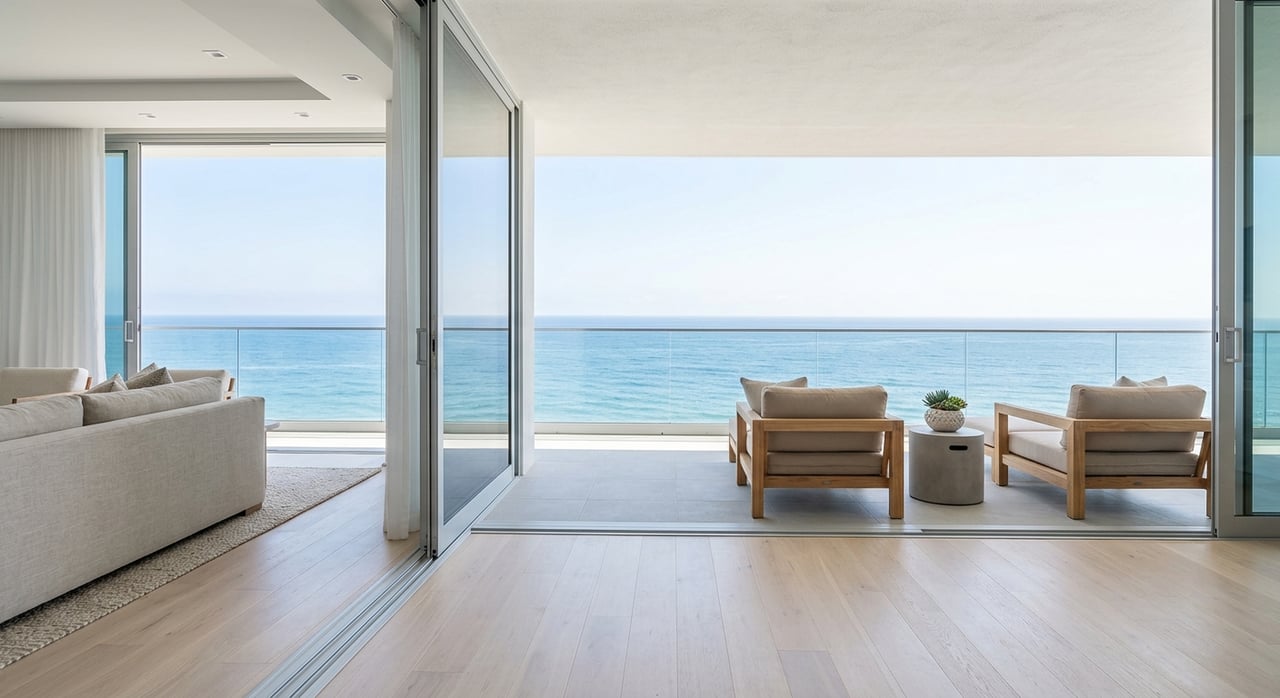
If daily surf checks and barefoot commutes to the beach are your priority, direct oceanfront living delivers. Most sand-front pockets sit steps from the water and a short walk to Powerhouse Park and Village dining. You live the front-row beach lifestyle with sunrise and sunset views framed by your windows.
Homes you will see
The oceanfront mix ranges from renovated historic cottages to custom contemporary rebuilds designed to maximize indoor and outdoor living. Many homes have been modernized over time to capture views and handle the elements.
Pros to love
- Instant beach access and a pure coastal vibe.
- Uninterrupted ocean views and an immersive connection to the shoreline.
- Walkability to restaurants, parks, and the Village core.
Tradeoffs to weigh
- Direct exposure to waves, beach erosion, and coastal storms can increase maintenance and insurance needs. State and city adaptation planning notes that beach widths may shrink over coming decades, which can change shoreline conditions. Review the City’s Sea Level Rise Adaptation Plan and the Coastal Commission’s staff report on coastal hazards and disclosures as part of your due diligence.
- Some properties may be within FEMA flood zones or have recorded notices tied to coastal hazard areas.
- Inventory is very limited and pricing can be volatile.
Best for: You want sand access and first-row ocean living, and you are comfortable managing premium coastal upkeep and risk.
Bluff-top living: panoramic views and privacy
What you get
Bluff-top homes perch above the shoreline with wide ocean panoramas and cooling breezes. Many lots offer more depth and backyard space than Village parcels, with a sense of privacy that the sand line often lacks. In several segments, the rail corridor runs along the bluffs, which affects access points and local planning discussions. For background on relocation and stabilization efforts, see this overview of the plan to address the Del Mar train tracks.
Homes you will see
You will find custom modern builds and renovated period homes, often terraced to fit the slope with large view decks. Price points vary by view, lot size, and proximity to the bluff edge.
Pros to love
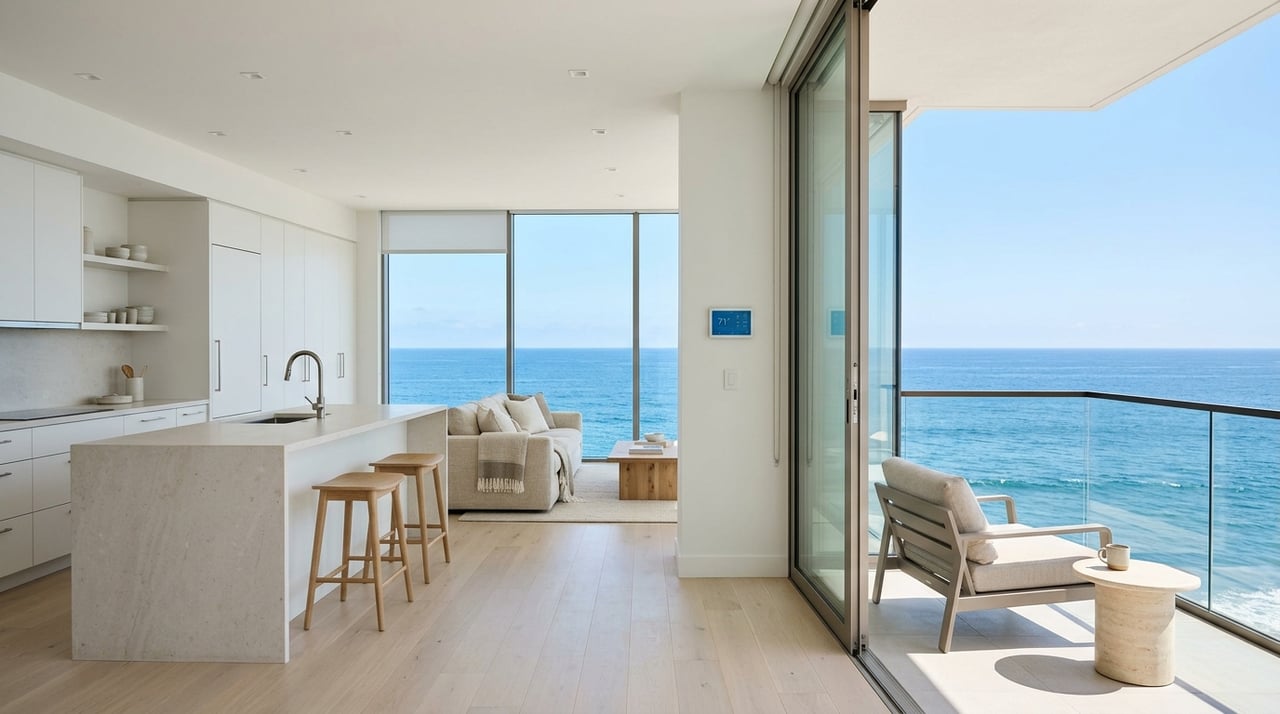
- Panoramic ocean views with separation from immediate surf exposure.
- Often quieter than the sand line, aside from potential train activity where the corridor is present.
- Larger usable yards and outdoor living areas are common.
Tradeoffs to weigh
- Bluff stability and setbacks are major permitting and design factors within Del Mar’s Coastal Bluff Overlay. The City’s adaptation plan outlines setback expectations and geotechnical study requirements for bluff-adjacent properties. Start with the Sea Level Rise Adaptation Plan to understand the rules and context.
- Ongoing rail stabilization or future relocation work can create noise, construction activity, or temporary access changes. For a big-picture view of stabilization efforts, see the Los Angeles Times report on seawall work to protect the tracks.
Best for: You want commanding views and more privacy, and you are comfortable navigating geotechnical studies, setbacks, and potential rail-related considerations.
Village living: walkable and low maintenance
What you get
The Village core places you inside Del Mar’s social heart. You can walk to cafes, boutiques, and services along Camino del Mar and the Del Mar Plaza, with Powerhouse and Seagrove Parks nearby for daily ocean time. This micro-market favors an on-foot, community-oriented lifestyle over direct sand frontage.
Homes you will see
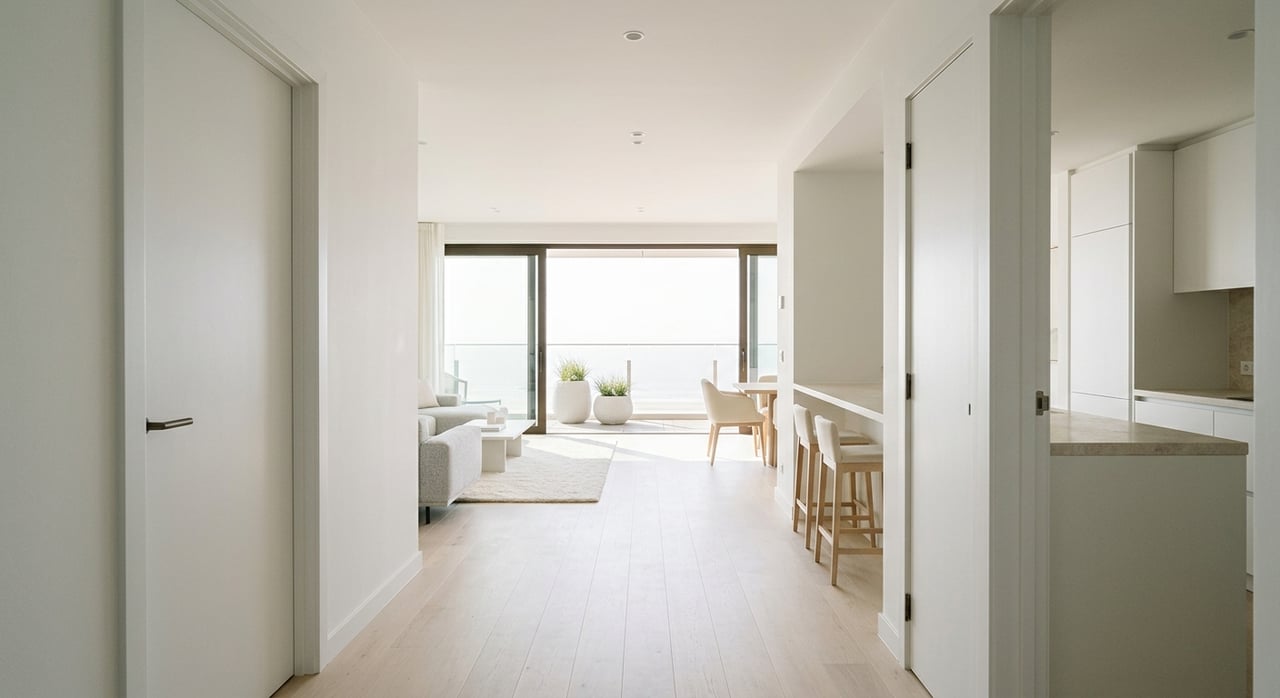
Expect a mix of small-lot cottages, duplexes, townhomes, and low-rise condos. Many older homes have been tastefully renovated while keeping a compact footprint that supports a lock-and-leave routine.
Pros to love
- Easy access to restaurants, errands, and parks.
- Lower day-to-day maintenance compared with larger oceanfront estates.
- Less direct exposure to sea-level and surf conditions.
Tradeoffs to weigh
- Fewer sweeping, unobstructed ocean panoramas unless you are on a higher or well-positioned lot.
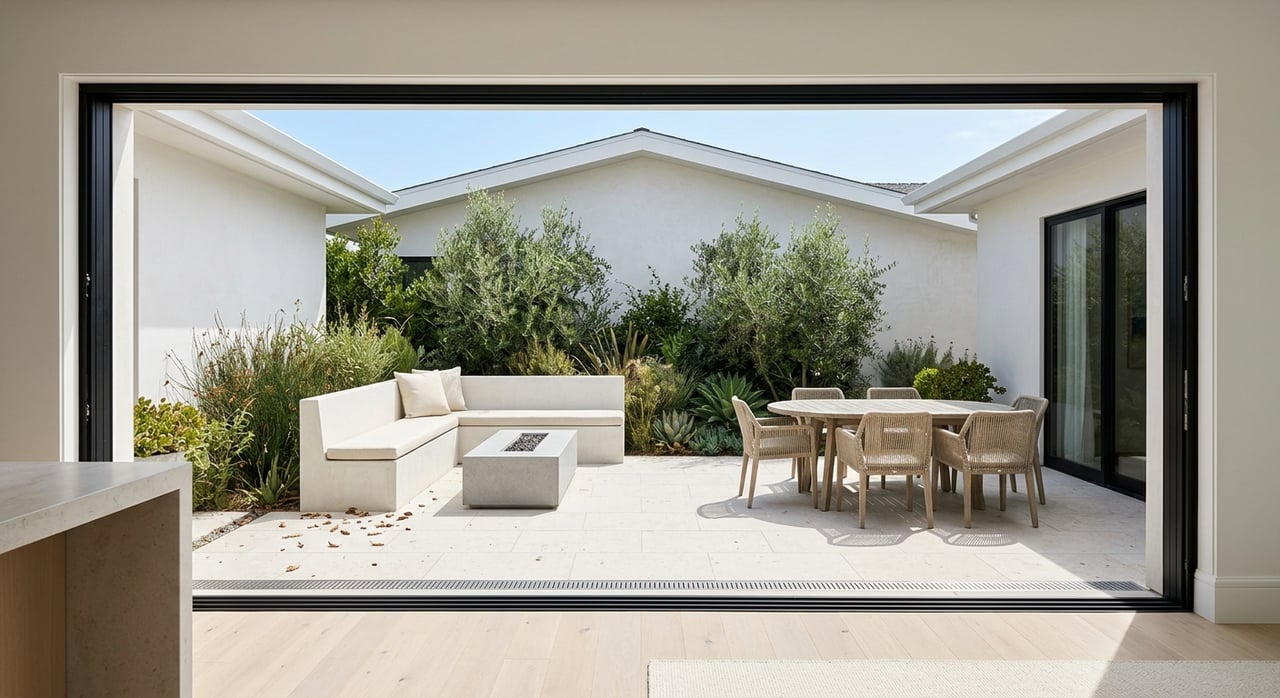
- Smaller private outdoor spaces in parts of the core, with some busy streets at peak times.
- Event seasons at the fairgrounds can increase traffic and parking demand. The San Diego County Fair is a prime example.
Best for: You value convenience, walkability, and a simpler daily rhythm, and you are fine trading direct sand frontage for easy Village access.
Side-by-side snapshot
- Access to beach:
- Oceanfront: Immediate, your toes hit the sand in seconds.
- Bluff-top: Use nearby public access points, private steps are rare.
- Village: Short walk to parks and beach via established paths.
- Views:
- Oceanfront: Front-row, horizon views at sea level.
- Bluff-top: Sweeping, elevated panoramas.
- Village: Varied, from filtered to strong, depending on lot and position.
- Space and privacy:
- Oceanfront: Tighter lots, high activity around the sand.
- Bluff-top: Often larger lots and more privacy.
- Village: Compact lots or shared buildings with an urban-coastal feel.
- Noise and activity:
- Oceanfront: Beach energy and seasonal crowds.
- Bluff-top: Quieter except near the rail corridor.
- Village: Livelier streets, especially around dining hours and events.
- Risk and regulation focus:
- Oceanfront: Flood zones, shoreline change, maintenance intensity.
- Bluff-top: Bluff stability, geotechnical reports, setback rules, rail projects.
- Village: Fewer coastal hazard constraints, typical urban-coastal upkeep.
Long-term factors to research
Sea level rise and bluff erosion
Del Mar’s coastal planning documents identify vulnerability to beach loss, storm flooding, and bluff erosion over coming decades. These issues influence both beachfront and bluff-top properties through changing beach width and bluff retreat. Review the City’s Sea Level Rise Adaptation Plan and the Coastal Commission’s staff report on disclosures and vulnerable areas to understand how setbacks, shoreline devices, and recorded notices may apply.
Railroad stability and projects
A significant stretch of the LOSSAN rail corridor runs along Del Mar’s bluffs, which has prompted emergency stabilization, ongoing maintenance, and long-range relocation discussions. Get familiar with the context through this overview of the plan to address the Del Mar train tracks and this report on seawall protection work. These efforts can affect nearby properties through construction activity, access adjustments, or view considerations.
Disclosures and title notices
For certain bluff-zone parcels, recorded notices and enhanced disclosures may appear on title. The Coastal Commission’s staff report outlines disclosure practices and how vulnerable areas are identified.
Buyer checklist for Del Mar micro-markets
Use this short list to stay organized as you compare options:
- Bluff-top due diligence: Order a current geotechnical report, confirm bluff-setback requirements, and verify the design life assumed by any prior studies. Start with the City’s adaptation plan.
- Coastal disclosures: Confirm whether the property lies within the Coastal Bluff Overlay or a transitional subarea and whether a recorded notice or disclosure is on title. See the Coastal Commission’s staff report for context.
- Oceanfront specifics: Check FEMA flood zone classification, insurance availability and cost, and any shoreline stabilization near the property. Use the City’s adaptation planning documents as references.
- Rail proximity: Review recent stabilization work and any planned public projects that may affect noise, construction, or access. The regional overview on train track planning is a helpful primer.
- Community rules: If the property sits in a gated or managed pocket, obtain HOA documents, shared access details, and parking rights in writing.
- Micro-market comps: Evaluate recent closed sales specific to the micro-neighborhood. Oceanfront comps do not substitute for Village or bluff comps.
How to choose your best fit
Start with your non-negotiables. If the beach itself is your daily routine, focus on oceanfront and be ready to manage coastal maintenance and insurance. If you dream of endless views and a bit of distance from beach activity, explore bluff-top homes and budget time for geotechnical due diligence. If you want to park once and live on foot, the Village offers walkability and a lower-maintenance rhythm that makes everyday life simple.
Whichever path you choose, a deliberate process is key. Anchor your search to lifestyle, then filter by property type and regulatory context so there are no surprises after you fall in love with a view.
Ready to compare on the ground, tour micro-neighborhoods, and zero in on the right fit, Connect with The Morabito Real Estate Group to craft a focused plan and see the best options available.
FAQs
What is the difference between Del Mar oceanfront and bluff-top homes
- Oceanfront sits at sand level with immediate beach access and higher surf exposure, while bluff-top is elevated with panoramic views and added geotechnical and setback considerations.
How walkable is Del Mar Village and what is nearby
- The Village core centers on Camino del Mar and the Del Mar Plaza, with easy access to dining, shops, and the City’s Beaches and Parks like Powerhouse and Seagrove.
Are there special rules for building on Del Mar bluffs
- Yes, properties in the Coastal Bluff Overlay face minimum setback standards and geotechnical requirements outlined in the City’s Sea Level Rise Adaptation Plan.
How do train tracks affect bluff homes in Del Mar
- Parts of the rail corridor run along the bluffs, and stabilization or relocation projects can influence noise, construction activity, and access; see this overview of plans for the tracks.
What should buyers verify for an oceanfront Del Mar property
- Confirm flood zone status, insurance availability and cost, and any shoreline stabilization nearby, and review the City’s adaptation planning for coastal hazards and future conditions.