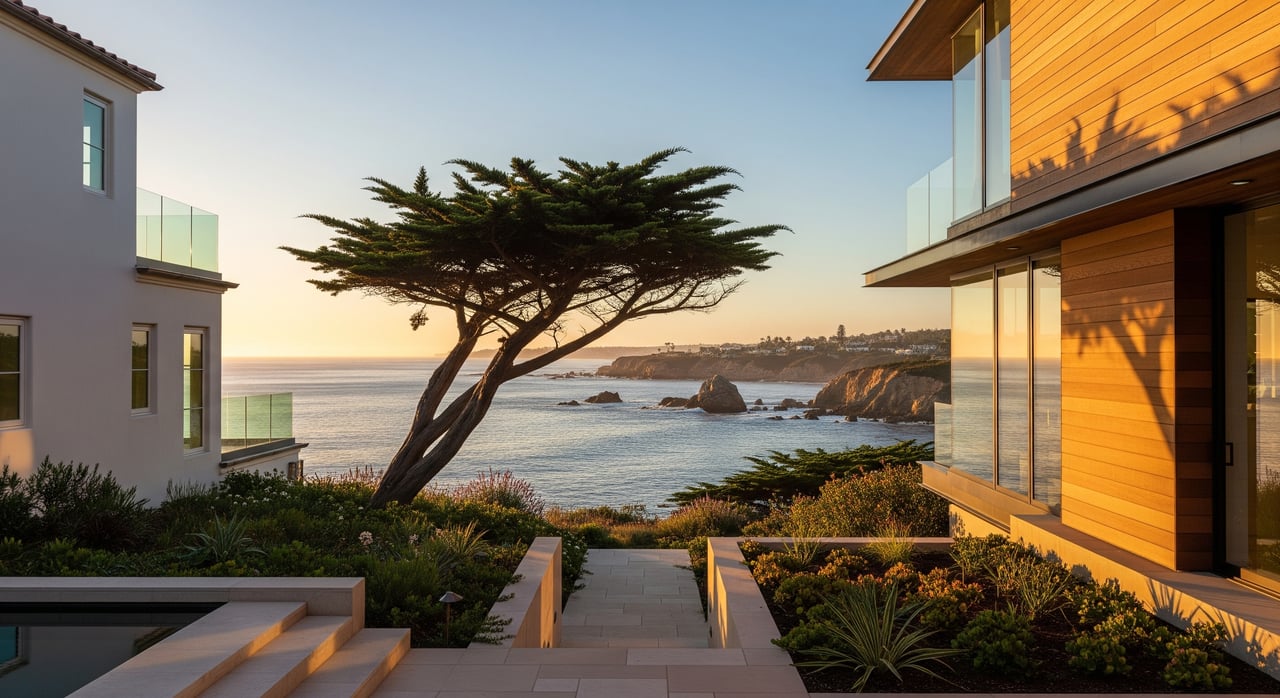
Planning a remodel or new build in La Jolla and worried about blocking a view? You are not alone. In this coastal market, public ocean and canyon views are a shared community asset, and the rules that protect them can shape your design, timeline, and budget. In this guide, you will learn what a view corridor is, which rules apply in La Jolla, how these rules impact projects, and the practical steps to move forward with confidence. Let’s dive in.
What a view corridor means in La Jolla
A view corridor is a protected line of sight from a public place to a valued view, such as the ocean, bay, or a canyon. The goal is to preserve those views for everyone moving through streets, parks, and coastal paths.
These protections reflect long-standing policy priorities. They help maintain La Jolla’s coastal character, support an enjoyable pedestrian experience, and align with the California Coastal Act, which treats public visual access to the shoreline as a key resource. In practice, you will see protections through mapped public view corridors, design standards that limit height and massing, and special permits for projects that could affect those views.
The rulebook that applies
City of San Diego planning and permits
Projects in La Jolla are reviewed against the La Jolla community plan, zoning, and any neighborhood-specific rules that shape building height, setbacks, and massing. The City’s Development Services Department and Planning Division handle these reviews. Some projects require discretionary approvals and design review, especially if they may alter a mapped corridor or a prominent public view.
Local Coastal Program and Coastal Development Permits
Much of La Jolla sits inside the City’s Local Coastal Program, which implements the California Coastal Act at the local level. If your site is in the Coastal Zone, you may need a Coastal Development Permit. The City typically issues CDPs, and some decisions can be appealed or reviewed by the California Coastal Commission. Coastal review places special emphasis on protecting public visual access and scenic resources.
Zoning, Planned Districts, and overlays
Beyond base zoning, certain La Jolla areas have additional rules through planned district ordinances or overlays. These can set stricter limits on height, scale, setbacks, and design to preserve public views and neighborhood character. Community review bodies often weigh in during the permit process.
State policy and private views
There is no general state law that gives a private homeowner a guaranteed right to an unobstructed view across a neighbor’s property. Private view rights depend on specific easements or recorded covenants. Public view protections are enforced through the City’s planning rules and the Coastal Act as implemented by the Local Coastal Program.
How view corridor rules affect your project
Common design controls you may encounter
- Height limits or maximum elevations that cap ridge lines and roof elements.
- Setbacks from streets, parks, or mapped sightlines to keep public views open.
- Stepbacks and terracing so taller portions are pulled away from a corridor.
- Limits on rooftop decks, railings, and mechanical equipment that could intrude into a corridor.
- Landscape guidance that avoids plantings which block public sightlines.
- Limits on massing and lot coverage to reduce visual obstruction.
Permit and review requirements to expect
- Discretionary review for projects that may affect a view corridor or scenic resource.
- A Coastal Development Permit if your site is in the Coastal Zone.
- Public hearings before planning bodies or community groups where view impacts are discussed.
- Environmental review for larger projects, with visual impacts considered under CEQA.
Variances, exceptions, and trade-offs
- Variances may be possible but require demonstrating a unique hardship and that public interests will not be harmed.
- Mitigation is common. Examples include reducing height on the corridor-facing side, using transparent railings, or redistributing massing.
- Some applicants offer public benefits such as improved landscaping or small public realm upgrades as part of negotiated approvals.
Likely outcomes for typical projects
- Cosmetic updates and modest additions can often be designed to avoid problems.
- Larger additions and rebuilds near mapped corridors usually need careful massing, more time for review, and design adjustments to protect public views.
How to tell if a property is affected
- Review the La Jolla community plan maps and the City’s Local Coastal Program maps to see if a public view corridor crosses or borders the property.
- Confirm base zoning and whether any planned district or overlay applies.
- Contact the City of San Diego Development Services or Planning Division to verify permit triggers.
- Ask for any prior permits, community reviews, or design approvals tied to the property.
Tip: Save time by assembling a simple packet with your site plan, elevations, and photos from public vantage points. That makes early conversations with City staff far more productive.
Smart design strategies that work
- Shift taller massing away from a corridor and use stepbacks toward the corridor side.
- Lower ridge lines where possible, and prefer skylights to pop-ups for light.
- Use low-profile mechanical screens and transparent railings to reduce visual bulk.
- Choose landscape species and placements that screen private areas without obstructing public views.
- Consider flat or gently sloped rooflines and articulated facades to minimize perceived height.
Timeline and cost expectations
Discretionary review can add weeks or months to a project. Coastal Development Permit processing, community hearings, and potential appeals extend timelines further. Plan for additional design work by an architect or planner familiar with La Jolla’s coastal rules, and consider costs for sightline studies, hearing fees, and possible design revisions or mitigation measures. The earlier you identify corridor issues, the more control you have over both schedule and budget.
A simple due-diligence checklist
- Confirm if the property is in the Coastal Zone and check for mapped view corridors.
- Review base zoning, planned districts, and overlays that affect height and massing.
- Request a pre-application meeting with City staff to flag view issues early.
- Retain a local architect or land-use planner with coastal permitting experience.
- If needed, consult a land-use attorney for complex disputes or appeals.
- Build time into your plan for community review, potential CEQA considerations, and CDP processing.
Guidance for buyers, sellers, and investors
If you are buying in La Jolla
- During inspections, verify whether corridor maps affect the lot and any planned additions.
- Ask for prior permits and any conditions that limit height, decks, or rooftop elements.
- If a future remodel is part of your plan, schedule a pre-application consult early to test concepts against corridor standards.
If you are selling a property
- Gather documentation on any past approvals or design reviews that relate to height, decks, or massing.
- If a corridor crosses or borders your lot, be ready to explain how it affects future expansion potential. Clear disclosure builds buyer confidence.
- Consider a simple conceptual study from an architect to show feasible improvements within current rules. Buyers appreciate clarity.
If you are planning new construction or a major remodel
- Commission sightline analyses from likely public vantage points and test multiple massing options.
- Plan for stepbacks, lowered heights, and rooftop limits that avoid corridor intrusions.
- Approach community review as a design dialogue. Mitigation and refinement often lead to approvals that balance your goals with public view protection.
What to do next
- Start early. Confirm corridor status, zoning, and Coastal Zone boundaries before you design.
- Build the right team. A coastal-experienced architect, planner, and if needed, a land-use attorney can save months.
- Engage the City. A pre-application meeting can clarify expectations and reduce costly redesigns.
If you want a seasoned local partner to help you strategize purchase plans, prep your listing, or coordinate a new-build or remodel path that fits La Jolla’s rules, reach out to The Morabito Group. Our team brings coastal market expertise and a responsive, concierge approach to guide you from concept to closing.
FAQs
What is a view corridor in La Jolla?
- A view corridor is a protected public sightline to valued resources such as the ocean or canyons. Rules limit building elements that would block or harm those views.
Do homeowners have a legal right to a private ocean view?
- Generally no. Private view rights depend on specific easements or covenants. Public view protections are enforced through City planning rules and the Local Coastal Program.
How do view corridor rules change my remodel timeline?
- Projects near mapped corridors often face discretionary review and may need a Coastal Development Permit, which can add weeks or months, especially if hearings or appeals occur.
Can I build a rooftop deck in a view corridor area?
- It depends on location and design. Rooftop decks are often limited by height, placement, and railing design to avoid intruding into protected sightlines. Special review is common.
What if my project is denied due to view impacts?
- You can revise and resubmit, seek a variance if eligible, or appeal through City processes. In the Coastal Zone, certain CDP actions may be reviewed or appealed to the Coastal Commission.
Who should I contact first about view corridor questions?
- Start with the City’s Development Services or Planning Division to confirm maps and permits. Then engage a coastal-experienced architect or land-use planner for design strategies.