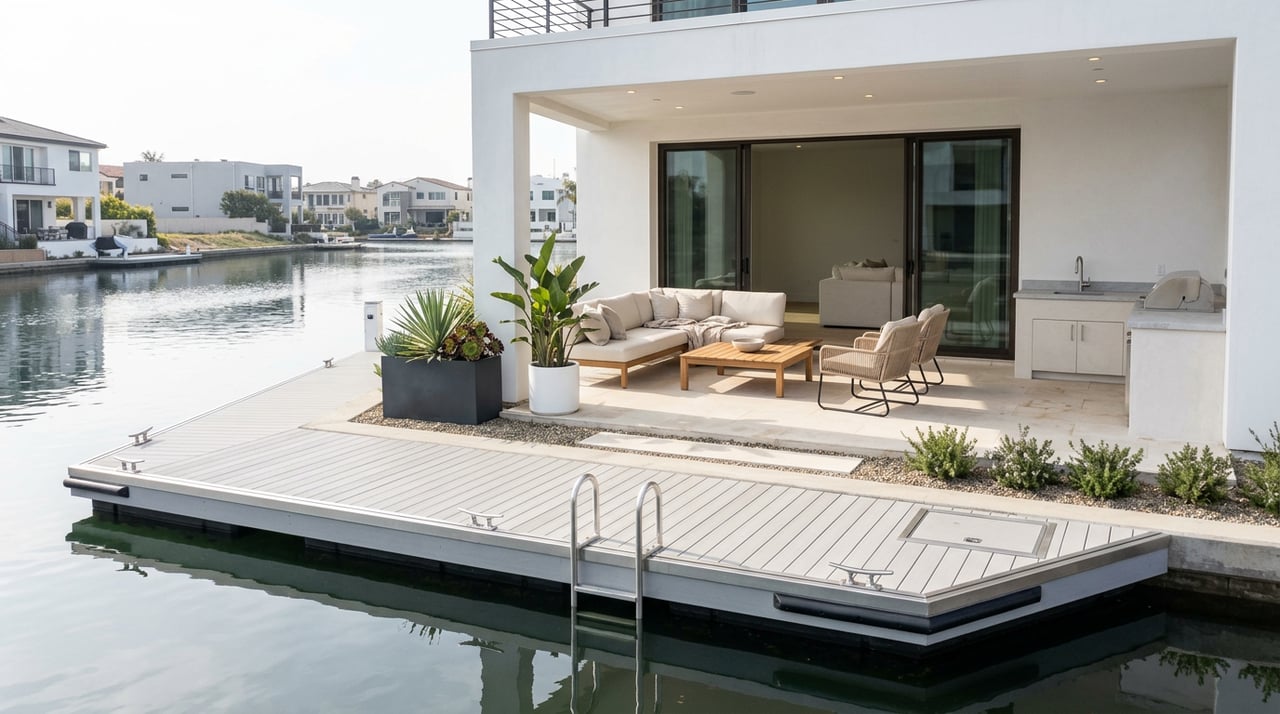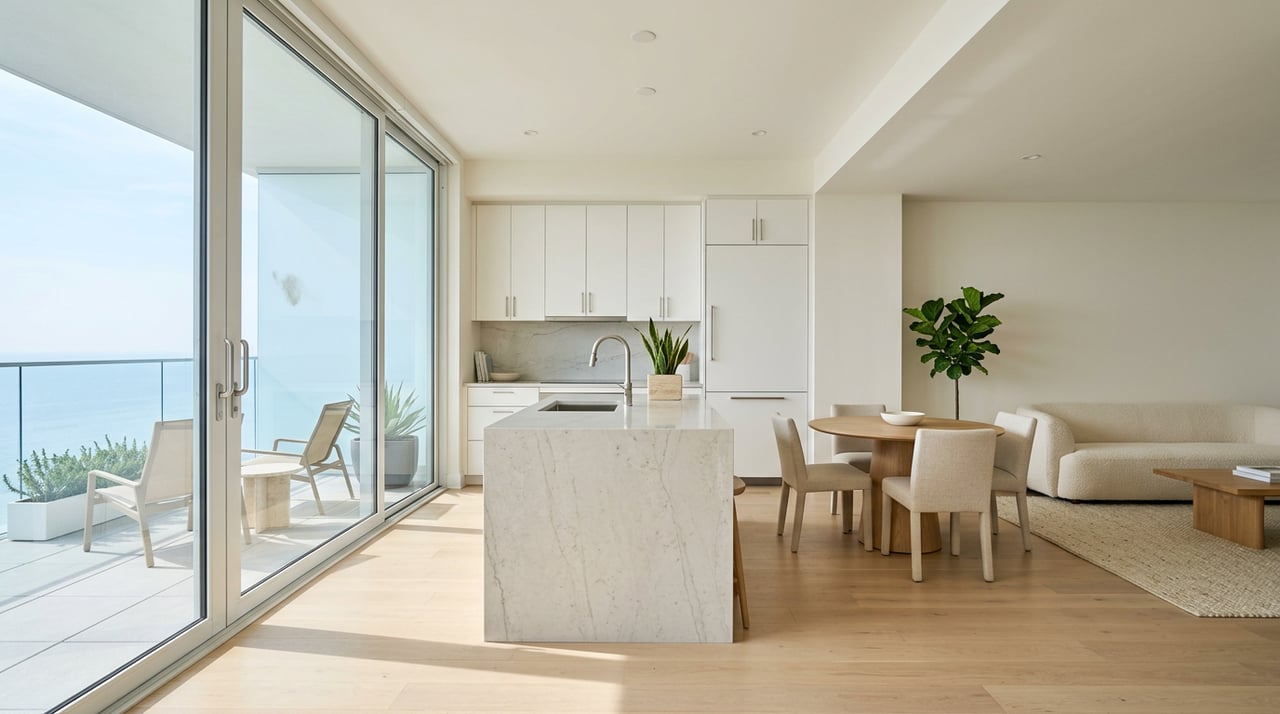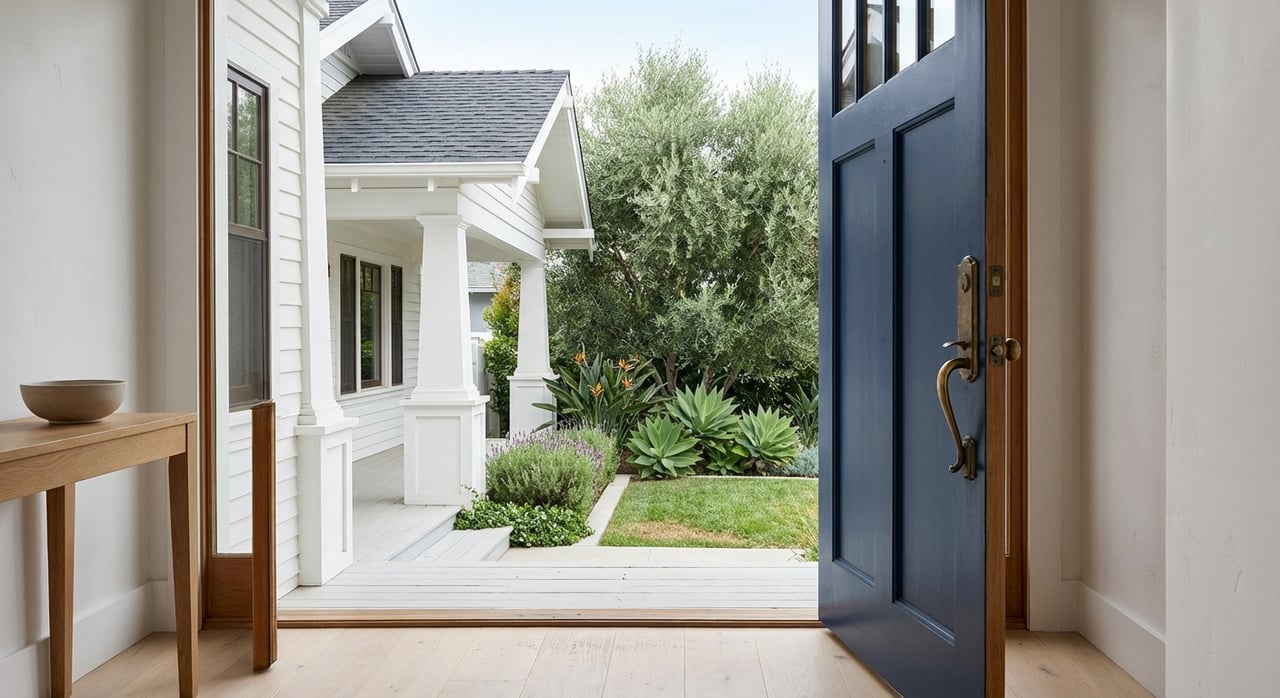
Choosing between La Jolla and Coronado can feel like picking between two perfect postcards. You want a home that matches how you live, not just a beautiful view. This guide walks you through lifestyle feel, housing types, daily conveniences, regulations, and risks so you can make a clear, confident decision. Let’s dive in.
Vibe at a glance
La Jolla in a snapshot
La Jolla is an upscale coastal neighborhood within the City of San Diego. You get dramatic cliffs, rocky coves, and sandy beaches alongside boutique shopping and galleries near Prospect Street and Girard Avenue. UC San Diego and nearby research institutions add an academic energy and steady year-round activity. The vibe blends resort-style amenities with everyday neighborhood life.
Coronado in a snapshot
Coronado is its own small city on a peninsula connected by the San Diego–Coronado Bridge and ferry. It has a strong small-town identity centered on Orange Avenue, the iconic Hotel del Coronado, and wide, walkable beaches. The pace is relaxed, with easy biking, community events, and a tight-knit feel. A military presence shapes local rhythms and services.
Housing and neighborhood feel
La Jolla homes and streetscapes
In La Jolla, you’ll find a broad range of homes, from cliff-top estates and ocean-view modern builds to condos and townhomes near retail corridors and the university. Neighborhood pockets like La Jolla Shores and Bird Rock offer distinct styles, from beach-close houses to charming inland streets. Infill and high-end remodels are common, and some properties include specialized coastal engineering.
Coronado homes and streetscapes
Coronado’s housing leans historic and charming, with early 20th-century architecture, bungalows, and craftsman-style homes on generally smaller lots. Condos and apartments sit near the beach and downtown, with a compact feel and strong design oversight in some areas. Fewer very large estate parcels exist, and the city’s planning approach helps preserve scale and character.
Price dynamics and availability
Both markets are premium coastal locations with limited supply and strong demand. La Jolla includes some of the county’s most sought-after addresses, especially along the bluffs and with ocean views. Coronado is also high-value, with pricing shaped by its island setting, beaches, and small-city school district. Seasonality matters, and luxury segments can move with broader economic shifts.
Daily life and amenities
Beaches and outdoor time
La Jolla offers a mix of coves and beaches, including La Jolla Cove, Children’s Pool, La Jolla Shores, and Windansea. You’ll see snorkeling, kayaking, tide pooling, and sea lion watching along the coast. Coronado’s beaches are broad and gently sloped, great for long walks, casual surf, and family time. The Silver Strand connects miles of shoreline and bike paths.
Dining, shopping, and culture
In La Jolla, you can explore galleries, upscale boutiques, and a range of restaurants near Prospect Street and Girard Avenue. Cultural options include local museums and university performances. Coronado focuses around Orange Avenue with local cafes, restaurants, and visitor-friendly shops near the hotel and Ferry Landing. Evenings tend to be quieter and community oriented.
Schools and services
La Jolla is served by San Diego Unified School District, with options varying by exact address. Coronado is served by Coronado Unified School District, a smaller district that reflects the community’s scale. For either location, confirm boundaries and program offerings directly with the districts. Healthcare access is strong in La Jolla, with major providers nearby, and Coronado offers local clinics with larger hospitals across the bridge.
Getting around and commute
La Jolla access
You’re close to I-5 with surface arterials feeding the coast and inland neighborhoods. Transit options include local buses and university shuttles near UC San Diego. Beach-area parking can be tight, especially during peak visitor seasons.
Coronado access
The bridge offers quick access to downtown San Diego, though peak-hour traffic can slow. The passenger ferry is a scenic option for downtown commuters. Within the island, walkability and bikeability are strong, which can reduce daily car use.
Ownership costs and upkeep
Taxes, HOAs, and insurance
California property taxes are generally about 1 percent of assessed value plus local assessments. Condos and townhomes in both communities may include HOA fees. For any property, review HOA budgets, reserve studies, and insurance coverage details. Coastal homes often need tailored insurance for flood, wind, or earthquake risk. Premiums can be higher than inland properties, so factor that into your budget.
Coastal maintenance
La Jolla’s bluff-top properties may require erosion monitoring, drainage management, and periodic coastal engineering assessments. Coronado’s low-lying zones can face storm surge and salt-air corrosion, which influence maintenance plans and material choices. A pre-purchase inspection strategy should include specialists familiar with coastal conditions.
Coastal risks and permits
Hazards to understand
Sea-level rise and coastal erosion are active considerations in both communities. In La Jolla, steep slopes and bluffs present erosion and landslide risks, and some mitigation work requires rigorous permitting. In Coronado, low-lying areas can be more exposed to inundation and storm events. Expect ongoing attention to adaptation planning in both cities over the coming decades.
Permitting and project planning
The California Coastal Act governs development in the coastal zone. Many projects require Coastal Development Permits through local jurisdictions, and some involve direct state oversight. Seawalls, revetments, grading, and shoreline construction are tightly regulated and may be time-consuming and costly to permit. Coronado also has a concentration of historic structures that can trigger additional review.
Smart due diligence steps
- Request seller documentation for past permits, reports, and any coastal mitigation work.
- Check whether the property lies within a FEMA flood zone or other mapped risk areas.
- Before planning a remodel near the shore, consult local planning departments and consider engaging a coastal engineer or geotechnical expert.
- Get insurance quotes from a broker experienced with coastal properties before removing contingencies.
Short-term rentals and investment
Rules to know
Short-term rental regulation shapes investment strategy in both places. Coronado has historically taken a stricter approach with permit systems and enforcement. La Jolla follows City of San Diego rules that include registration and enforcement, with neighborhood-specific considerations. Always verify current rules, business license needs, and any HOA restrictions before you buy or market a property as a vacation rental.
Rental demand patterns
Visitor demand runs year-round given beaches, tourism, and, in La Jolla, proximity to the university and research institutions. In Coronado, the military presence can influence rental cycles, especially for longer-term housing. Your best results come from aligning property features with local demand and staying compliant with city rules.
Who each place fits best
Choose La Jolla if you want
- A diverse coastal neighborhood with dramatic scenery and upscale dining and shopping.
- A range of housing types from condos to signature ocean-view estates.
- Access to university and healthcare hubs, with an urban-suburban blend.
Choose Coronado if you want
- A compact island lifestyle with strong walkability and bikeability.
- Wide sandy beaches, a historic core, and a close-knit community identity.
- A small-city setting with its own municipal services and planning.
How to choose: a simple checklist
- Lifestyle: Do you prefer a compact island feel or a larger coastal neighborhood with varied terrain?
- Commute: Will you rely on the bridge or ferry, or do you need quick access to freeways and university areas?
- Home type: Are you seeking a historic cottage, a condo with amenities, or a modern ocean-view build?
- Budget and carrying costs: Have you priced taxes, HOA fees, and coastal insurance for specific addresses?
- Risk tolerance: Do you understand bluff, flood, or storm exposure at the property level?
- Projects: Will your remodel or addition trigger coastal or historic review timelines?
- Rental intent: Are current short-term rental rules and HOA policies compatible with your plan?
Your next step
Whether you are leaning toward La Jolla’s dramatic coastline or Coronado’s island calm, local guidance helps you protect your time and money. You deserve a team that knows the permitting landscape, coastal insurance nuances, and neighborhood rhythms across both markets. For a tailored comparison and on-the-ground tours, connect with The Morabito Real Estate Group.
FAQs
What is the main lifestyle difference between La Jolla and Coronado?
- La Jolla offers a larger, varied coastal neighborhood with cliffs, coves, and a university presence, while Coronado delivers a compact island feel with broad beaches and a strong small-city identity.
How do housing types compare in La Jolla vs. Coronado?
- La Jolla ranges from condos to cliff-top estates, while Coronado skews toward historic single-family homes, bungalows, and condos on generally smaller lots.
Are coastal risks different in La Jolla and Coronado?
- La Jolla’s risks center on bluff erosion and steep-slope stability, while Coronado’s low-lying areas are more exposed to inundation, storm surge, and salt-air impacts.
What should I know about short-term rental rules in both areas?
- Coronado has historically maintained stricter regulation and enforcement, while La Jolla follows City of San Diego rules that require registration and compliance with neighborhood-sensitive provisions.
How are schools organized in each community?
- La Jolla is served by San Diego Unified School District and Coronado by Coronado Unified School District; check district boundary maps and program details for specific addresses.
What permits might I need for a coastal remodel?
- Projects in the coastal zone often require Coastal Development Permits and local city review, and certain shoreline or historic-related work can involve more extensive approvals.