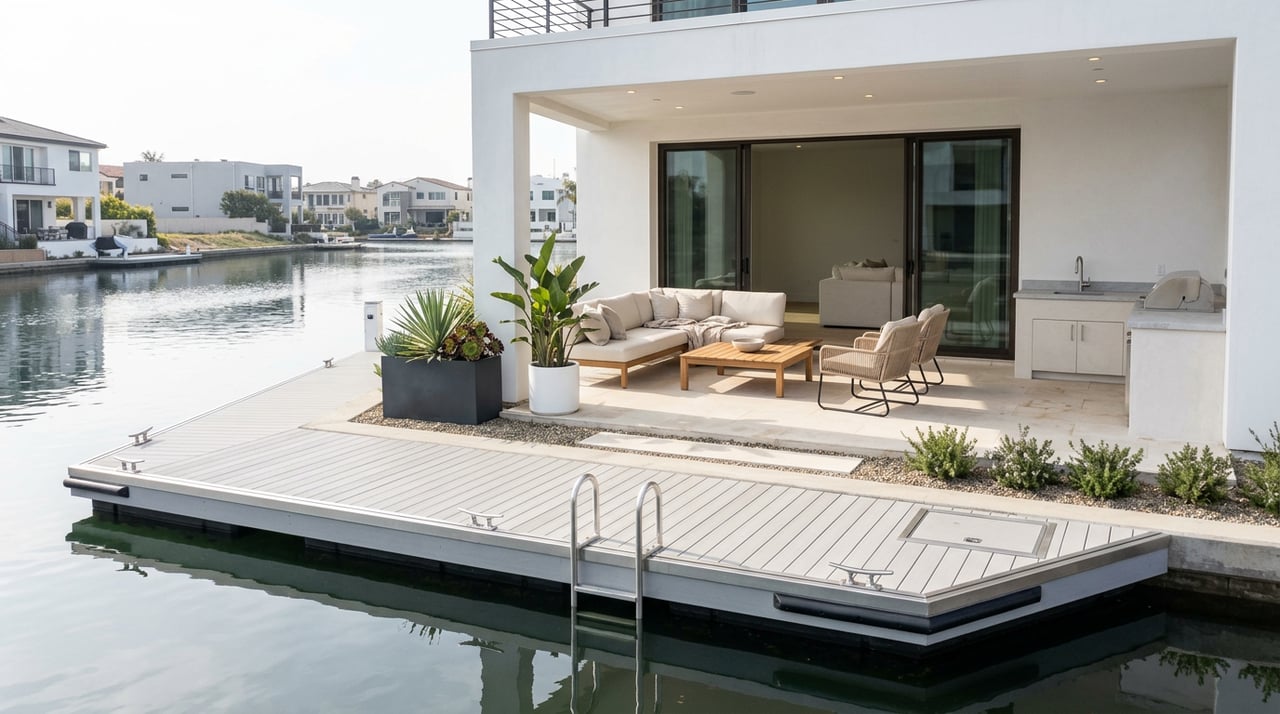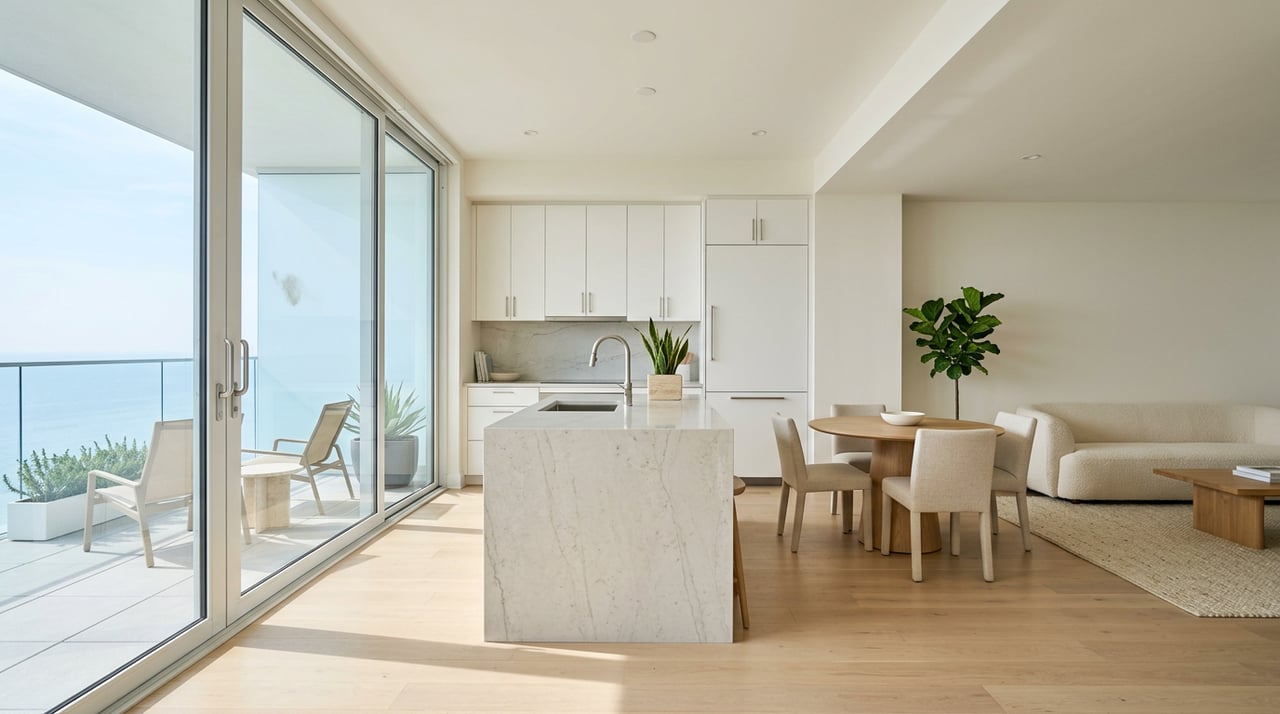
What if your next home could also help pay the mortgage? For many San Diego buyers and small investors, a duplex, triplex, or fourplex offers a smart way to build equity while generating rental income. You want clear guidance on financing, rules, returns, and the real work involved before you move forward. This guide breaks down the essentials so you can decide if a 2–4 unit property fits your goals and how to approach the search with confidence. Let’s dive in.
Why 2–4 units in San Diego
San Diego’s housing market is known for higher rents and home values compared to national averages, with demand supported by the military, universities, healthcare and biotech, tourism, and a strong services sector. In that environment, 2–4 unit properties can balance income potential with manageable scale.
Key advantages:
- Diversified income from multiple units can smooth cash flow.
- Owner‑occupants may access favorable financing and potential tax or insurance benefits.
- Management, financing, and operations are typically simpler than larger apartment buildings.
- Value‑add projects like updated kitchens, in‑unit laundry, or in some cases ADUs can lift rents and value.
Tradeoffs to weigh:
- Lower economies of scale per unit, and capital repairs can be costly.
- California landlord‑tenant rules add compliance steps and timelines.
- Neighborhood dynamics matter; returns vary by location and tenant profile.
- Higher purchase prices can compress yields compared with national averages.
- Coastal exposure, wildfire zones, and flood risk can affect maintenance and insurance costs.
Financing options at a glance
Financing often shapes the whole strategy, especially if you plan to live in one unit.
- Conventional loans. Lenders finance 2–4 unit properties. Owner‑occupied loans may allow lower down payments than pure investor loans, but often require more down than single‑family. Non‑owner loans usually require higher down and stronger income coverage.
- FHA loans. For qualified owner‑occupants, FHA can allow as little as 3.5% down on 2–4 units. Expect property condition standards and mortgage insurance.
- VA loans. Eligible veterans may buy 2–4 units with low or no down payment if they occupy one unit, subject to VA rules and appraisals.
- Portfolio and local bank loans. Banks and credit unions may underwrite based on property income, reserves, and Debt Service Coverage Ratio (DSCR).
- Bridge or hard money. Useful for short‑term acquisitions and renovations prior to refinance, but at higher cost.
Tip: If you plan to house‑hack, talk with lenders who regularly underwrite 2–4 unit owner‑occupied purchases. Early pre‑qualification helps you understand down payment, reserves, and income documentation expectations.
How to underwrite a deal
Start with a conservative, income‑first approach. Model both best‑case and stress‑tested scenarios.
Core metrics and formulas:
- Gross Scheduled Income (GSI) = Sum of all potential rents at market or in‑place.
- Effective Gross Income (EGI) = GSI − Vacancy/credit loss.
- Operating Expenses = Taxes, insurance, utilities you pay, maintenance, management, reserves.
- Net Operating Income (NOI) = EGI − Operating Expenses.
- Cap Rate = NOI ÷ Purchase Price.
- Gross Rent Multiplier (GRM) = Purchase Price ÷ Gross Annual Rent.
- Debt Service Coverage Ratio (DSCR) = NOI ÷ Annual Debt Service.
- Cash‑on‑Cash Return = Annual Pre‑Tax Cash Flow ÷ Cash Invested.
Practical underwriting tips:
- Use local rent and sale comps for 2–4 unit properties. Comp pools are thinner than single‑family.
- Assume a conservative vacancy rate and modest rent growth to account for cycles and regulation.
- Budget for management, even if you plan to self‑manage. Small multifamily management often ranges around 6–10% or more of collected rent for full service.
- Older buildings often carry deferred maintenance. Build adequate repair and capital reserves into your model.
- Stress‑test your loan at higher interest rates and verify DSCR if using investor financing.
Regulations you must know
California’s Tenant Protection Act (AB 1482) sets statewide limits on rent increases for many properties and establishes just‑cause eviction protections. There are exemptions based on property type and age. Always verify current applicability before you underwrite rent growth or plan renovations that affect tenancy.
Locally, San Diego has not historically had a citywide rent control program comparable to some other cities in California. Policies can change, so confirm current ordinances and any neighborhood‑specific rules. Also be aware of California notice periods, security deposit limits, habitability standards, and the Ellis Act for withdrawing a property from the rental market. Consult a qualified attorney for lease forms and compliance.
Zoning, permits, and ADU potential
Zoning determines whether a duplex, triplex, or fourplex is permitted on a parcel and what you can add or modify. In San Diego, you should verify:
- Base zoning and permitted uses for your target property.
- Setbacks, parking, height limits, and density rules.
- Whether any existing use is non‑conforming and if a permit is required to continue it.
- Applicable Accessory Dwelling Unit (ADU) rules supported by recent state laws that encourage additional housing, where allowed.
- Permitting timelines and whether past work was permitted and finalized.
Before you write an offer, confirm zoning, permit history, and any open violations with the City’s Development Services.
Neighborhood lens: coastal vs. inland
Returns vary widely by location in San Diego. Coastal and central neighborhoods such as Coronado, La Jolla, Point Loma, North Park, and Hillcrest tend to have higher purchase prices and rents, lower cap rates, and strong long‑term demand. Inland communities often provide lower entry prices with the possibility of higher cap rates and different tenant profiles. Proximity to universities, military installations, transit, and major employment centers influences occupancy and rent growth. Align your target area with your risk tolerance and return goals.
Insurance and building risks
Insurance costs can be higher in parts of San Diego due to wildfire exposure, coastal conditions, and flood zones. Older buildings may require seismic upgrades or present soft‑story concerns that affect safety, insurability, and cost. Order quotes early and review policies, exclusions, and any retrofit requirements before removing contingencies.
Due diligence checklist
Work from a clear checklist to avoid surprises:
- Title and deed review, including easements and restrictions.
- Zoning and permitted use verification with the City.
- Full physical inspection by a multifamily‑savvy inspector or contractor: roof, foundation, plumbing, electrical, HVAC, pest, and any mold or asbestos risks.
- Unit safety and code compliance, including smoke and carbon monoxide detectors and egress.
- Utility setup and metering. Separate meters can shift costs to tenants; master meters keep expenses with the owner.
- Rent roll and lease audit. Confirm rent amounts, terms, deposits, concessions, and payment history.
- Historical operating statements, tax returns, and repair logs.
- Insurance policy review and quotes reflecting the actual property condition.
- Environmental review and flood zone status.
- Permit history for renovations, ADUs, or conversions. Watch for unpermitted work.
Key risks and how to plan
- Regulatory risk. Model rent growth conservatively and stay current on state and local rules. Use attorney‑vetted leases and processes.
- Market risk. Choose locations with durable demand and keep reserves for vacancies or rent shifts.
- Physical risk. Inspect thoroughly, price out repairs and retrofits, and set aside capital reserves.
- Financing risk. Compare lenders, lock terms when you can, and test your numbers at higher interest rates.
Step‑by‑step next moves
- Define your plan. Decide on owner‑occupant versus pure investment, target neighborhoods, and desired return metrics.
- Get pre‑qualified. Speak with lenders who regularly finance 2–4 units. Compare FHA, VA, conventional, and portfolio options.
- Build your team. Engage a local agent experienced in small multifamily, a real estate attorney, an inspector, and a lender. Add a property manager and CPA as needed.
- Run a conservative pro forma. Calculate NOI, cap rate, DSCR, and cash‑on‑cash with reserves and realistic vacancy.
- Verify the rules. Confirm zoning, permits, and any open violations with the City before you submit offers.
- Offer and diligence. Negotiate terms that give you time for inspections, loan approval, and risk review.
Work with a local advisor
If you want to explore duplexes, triplexes, or fourplexes along the coast or across greater San Diego, you do not have to go it alone. As a boutique, high‑touch team based in Coronado, we help clients source opportunities, evaluate income and expenses, coordinate inspections, and navigate San Diego’s zoning and regulatory landscape. When you are ready, connect with The Morabito Real Estate Group for a clear plan that fits your goals. Request a personalized Coronado market consultation.
FAQs
Can I live in one unit and rent the others in San Diego?
- Yes. Owner‑occupancy is a common strategy that can improve financing options and help offset your mortgage with rental income, subject to loan and occupancy rules.
Are duplexes, triplexes, and fourplexes subject to rent control?
- California’s AB 1482 places statewide limits on many rent increases and provides just‑cause protections. Some properties may be exempt, and local rules can change, so verify current regulations before you buy.
How much down payment do I need for 2–4 units?
- It depends on the loan and occupancy. FHA can allow about 3.5% down for qualified owner‑occupants. Conventional owner‑occupied loans often require larger down payments, and pure investor loans typically require even more.
Are 2–4 unit properties a good way to start investing?
- Many buyers use them to learn property operations while living in one unit. You can gain experience, build equity, and use rental income to offset costs, while still managing real risks like repairs and vacancies.
What returns should I expect in San Diego?
- Coastal California cap rates are often lower than national averages, which can compress yields. Returns depend on your purchase price, rents, financing, and renovation plans. Underwrite each deal using NOI and cash flow, not rules of thumb.