Wondering whether San Diego’s coastal neighborhoods or metro core will feel more like home? If you are relocating, this is one of the biggest lifestyle decisions you will make because the right fit often comes down to how you want your everyday routine to look and feel. Below, you will find a practical guide to help you compare both options, narrow your search, and move forward with more confidence. Let’s dive in.
Coastal vs. Metro in San Diego
In San Diego, the coastal-versus-metro question is not just about distance from the beach. The city’s planning framework breaks San Diego into 52 community planning areas, and the contrast is often most noticeable between beach- and bay-oriented communities along the western edge of the city and denser urban neighborhoods in the central core, according to the City of San Diego.
For you as a relocating buyer, that means comparing two different daily experiences. One side leans into beaches, waterfront recreation, and established residential pockets. The other leans into mixed-use streets, central-city access, cultural amenities, and stronger transit connections.
Why Coastal Living Appeals
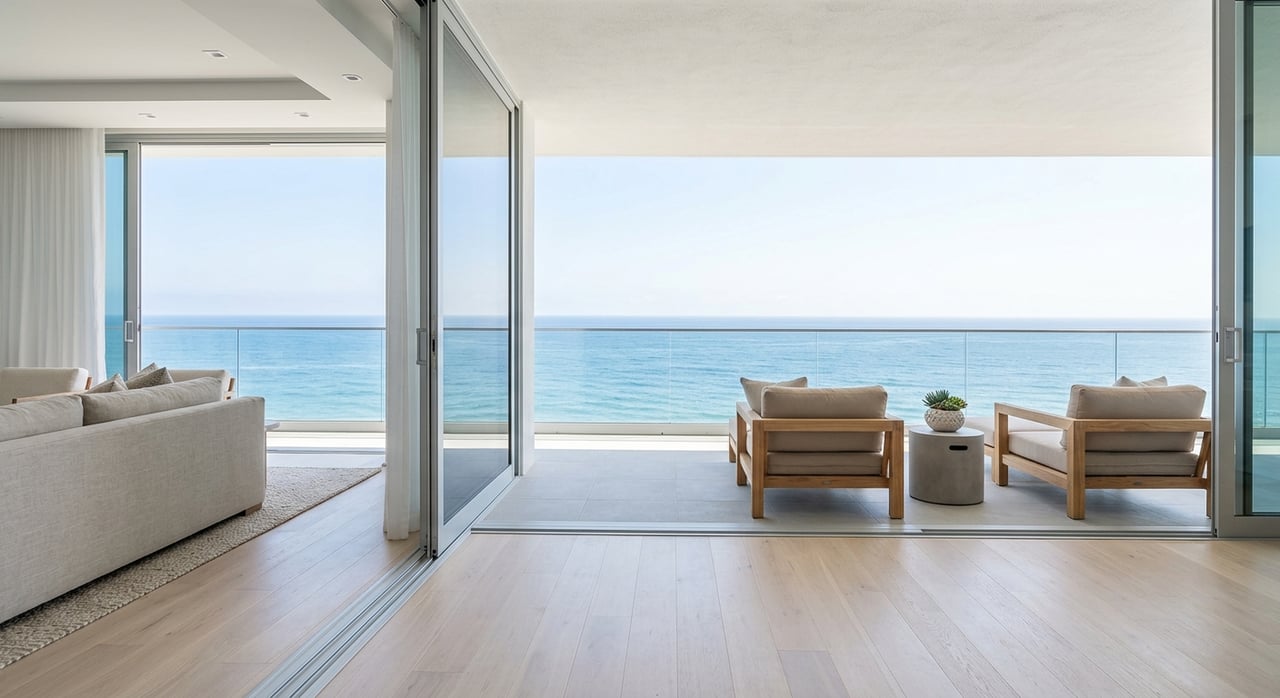
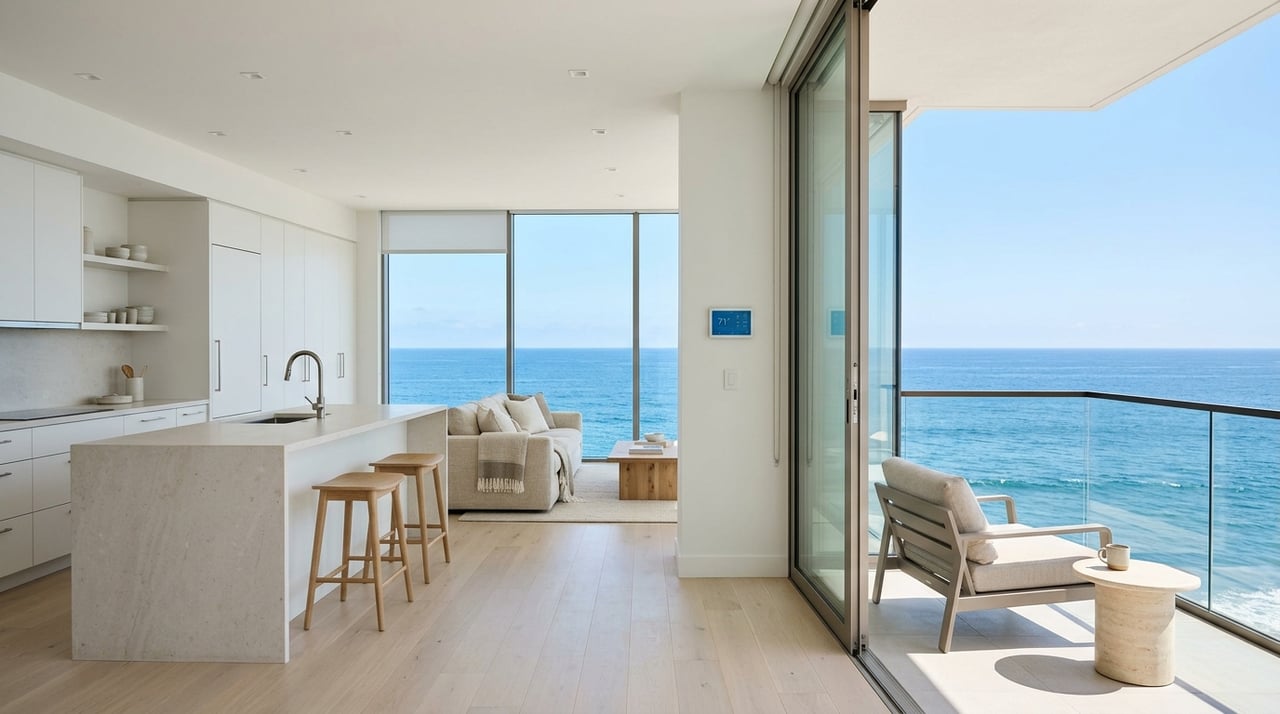
If your ideal San Diego life includes quick beach access, waterfront walks, and a more laid-back rhythm, the coast may be the better match. Coastal neighborhoods tend to be defined by their setting first, with housing choices shaped by location, proximity to the water, and established neighborhood patterns.
That also means many of these communities are largely built out. In practical terms, you may spend less time choosing between large new developments and more time deciding which block, property type, or water proximity best fits your goals.
La Jolla at a Glance
The City describes La Jolla as a primarily residential coastal community shaped by rugged ocean bluffs, beaches, canyons, and hillsides. It is also about 99% built out, so most new development happens as infill rather than through large new subdivisions, per the City’s community plan information.
For buyers, La Jolla often comes down to micro-location. Your experience can vary based on access, views, and how close you want to be to the shoreline and neighborhood amenities.
Pacific Beach at a Glance
Pacific Beach sits between the Pacific Ocean and Mission Bay and is one of the busiest beach areas in San Diego. The City notes that it is also about 97% developed, which reinforces the idea that this is a mature, established coastal market rather than a large-scale growth area, according to the City of San Diego.
Pacific Beach can appeal to relocating buyers who want beach proximity along with an active neighborhood-commercial mix. It offers a blend of shoreline access and day-to-day convenience that can feel like a middle ground between purely residential coastal living and a more urban setup.
Ocean Beach at a Glance
Ocean Beach is described by the City as a traditional beach town with locally owned restaurants and shops, along with the Ocean Beach Pier and Dog Beach, as outlined in the City’s coastal planning materials.
If you are drawn to a classic beach-town feel, Ocean Beach may stand out. The lifestyle here is often tied closely to the immediate neighborhood experience, local businesses, and direct access to coastal recreation.
Why Metro Living Appeals
If you want to be closer to offices, dining, arts venues, medical centers, and central-city activity, San Diego’s metro neighborhoods may be a better fit. These areas tend to offer denser housing patterns, more mixed-use development, and stronger connections to transit and services.
For many relocating buyers, that can translate into a more flexible weekly routine. You may find it easier to combine work, errands, dining, and entertainment within a tighter geographic area.
Downtown San Diego
Downtown includes eight neighborhoods, including the Gaslamp, East Village, Columbia, Marina, Cortez, Little Italy, Horton Plaza, and Core. The City describes Downtown as the center of San Diego’s business, arts, and entertainment communities, with development intended to add homes at a variety of affordability levels so more people can live close to work, transit, recreation, and culture, according to the City.
If you picture a more urban day-to-day lifestyle, Downtown offers the strongest version of that. It is often the best match for buyers who want a central location and value proximity to major destinations.
Hillcrest and North Park
Hillcrest combines older urban fabric with newer apartments and condominiums, plus restaurants, stores, medical offices, and two major hospitals, according to the City of San Diego. The City’s 2024 Hillcrest Focused Plan Amendment also highlights areas near transit and services while aiming to increase housing options and strengthen connections to Balboa Park, Downtown, and North Park, per the plan update.
North Park is described as a dynamic urban community with diverse housing, vibrant commercial districts, and an evolving arts community. If you want an urban feel without being in the middle of Downtown, Hillcrest and North Park can offer a compelling balance.
Little Italy
The City describes Little Italy as a pedestrian-friendly community with rich culture and history, along with strong retail and residential development. It is also recognized as a model for Downtown urban planning, according to the City of San Diego.
For relocating buyers, Little Italy can be appealing if walkability and neighborhood energy rank high on your list. It delivers a central location with a distinct identity and easy access to the broader downtown area.
Commute and Mobility Differences
Your transportation habits can have a big impact on which side of San Diego feels easier to live in. Citywide, the mean travel time to work in San Diego is 23.5 minutes, according to the U.S. Census Bureau.
The bigger distinction is often how you prefer to get around. San Diego’s 2025 Mobility Master Plan prioritizes walking, rolling, bicycling, and transit as more convenient and efficient options, and central neighborhoods appear to have relatively stronger multimodal conditions than many coastal areas.
Downtown currently offers FRED, a neighborhood shuttle serving areas such as Little Italy, the Gaslamp Quarter, Petco Park, and the Convention Center, through the City’s shuttle program. By comparison, Pacific Beach had the Beach Bug shuttle pilot connecting the beach area and the Balboa Avenue Transit Station, but that service ended in 2024 and is currently out of service.
That does not mean coastal living is inconvenient. It simply means your experience may depend more on parking availability, car use, and the exact neighborhood layout, while the urban core tends to offer more standing support for shorter trips.
Outdoor Access and Lifestyle
One of the clearest differences between coastal and metro living is the kind of outdoor space you will use most often. If you choose the coast, beach and bay access can become part of your weekly routine in a very direct way.
Mission Bay Park is the largest aquatic park of its kind in the country and includes 27 miles of shoreline, 19 sandy beaches, eight official swimming areas, and about 14 miles of bike paths. La Jolla Cove and La Jolla Shores each have permanent lifeguard stations, and Ocean Beach adds its pier and dog beach to the mix.
Metro neighborhoods offer a different kind of access. You trade immediate shoreline proximity for major urban parkland, cultural institutions, and central-city destinations.
Balboa Park covers more than 1,000 acres and includes 15 museums, gardens, the San Diego Zoo, the Old Globe, and multiple cultural institutions. The City describes it as an urban park just minutes from Downtown, which helps explain why nearby neighborhoods like Hillcrest can feel connected to both city living and major open space.
A Simple Framework for Buyers
If you are still deciding, it helps to focus less on labels and more on routines. Ask yourself where you want to spend time on an average Tuesday, not just on a perfect Saturday.
Choose Coastal If You Want
- Frequent beach or bay access
- A lifestyle built around waterfront recreation
- Established residential enclaves with strong location-based appeal
- A more resort-like daily rhythm
La Jolla, Pacific Beach, and Ocean Beach each support that kind of lifestyle in different ways, based on the City’s community descriptions.
Choose Metro If You Want
- Faster access to offices and medical centers
- More dining, arts, and entertainment nearby
- Mixed-use streets and pedestrian-oriented activity
- Better connections to transit and central-city amenities
Downtown, Hillcrest, North Park, and Little Italy all reflect that urban-core pattern, according to City neighborhood profiles.
Consider a Hybrid Approach
Some buyers want parts of both lifestyles. Pacific Beach can offer beach proximity plus neighborhood-serving commercial areas, while Hillcrest and North Park offer urban amenities with stronger connections across central San Diego, as reflected in City planning and community materials.
That is often where a guided home search becomes especially valuable. When you are relocating, the goal is not just to buy the right home. It is to land in the right setting for how you actually want to live.
If you are weighing San Diego coastal versus metro living, working with a local team that understands both lifestyle fit and neighborhood nuance can save you time and help you make a more confident move. For personalized guidance on coastal communities and relocating to San Diego, connect with The Morabito Real Estate Group.
FAQs
What is the main difference between coastal and metro living in San Diego?
- Coastal living is centered more on beach and bay access, while metro living is centered more on mixed-use neighborhoods, central-city amenities, and stronger transit connections.
Which San Diego neighborhoods are considered coastal for relocating buyers?
- Based on the City sources in this guide, key coastal options include La Jolla, Pacific Beach, and Ocean Beach.
Which San Diego neighborhoods are considered metro or urban core?
- Key metro-core examples include Downtown, Hillcrest, North Park, and Little Italy.
Is San Diego coastal living more built out than metro living?
- Yes. City planning materials note that La Jolla is about 99% built out and Pacific Beach is about 97% developed, so many coastal choices are more about block, property type, and location than large new subdivisions.
Are metro neighborhoods in San Diego better for transit and short trips?
- In general, central neighborhoods appear to have stronger multimodal conditions, and Downtown also has the FRED neighborhood shuttle serving several core destinations.
How should relocating buyers choose between the San Diego coast and metro core?
- Start with your weekly routine. If you want regular beach access and a waterfront lifestyle, the coast may fit better. If you want easier access to work, dining, culture, and transit-oriented errands, the metro core may be the better match.