If you want a beachfront home that feels effortless to own, design matters as much as location. In Coronado Shores, many buyers are looking for a coastal base they can enjoy for a weekend, a season, or part of the year without adding constant upkeep. The right design choices can help you simplify arrivals, protect the home while you are away, and make every return feel easy. Let’s dive in.
Why Coronado Shores Fits Lock-and-Leave Living
Coronado Shores is well suited to part-time ownership because the community already supports a more streamlined lifestyle. According to the official Coronado Shores community overview, the property includes 24-hour doorperson service, around-the-clock patrol monitoring, and master association management of shared common areas and recreational facilities.
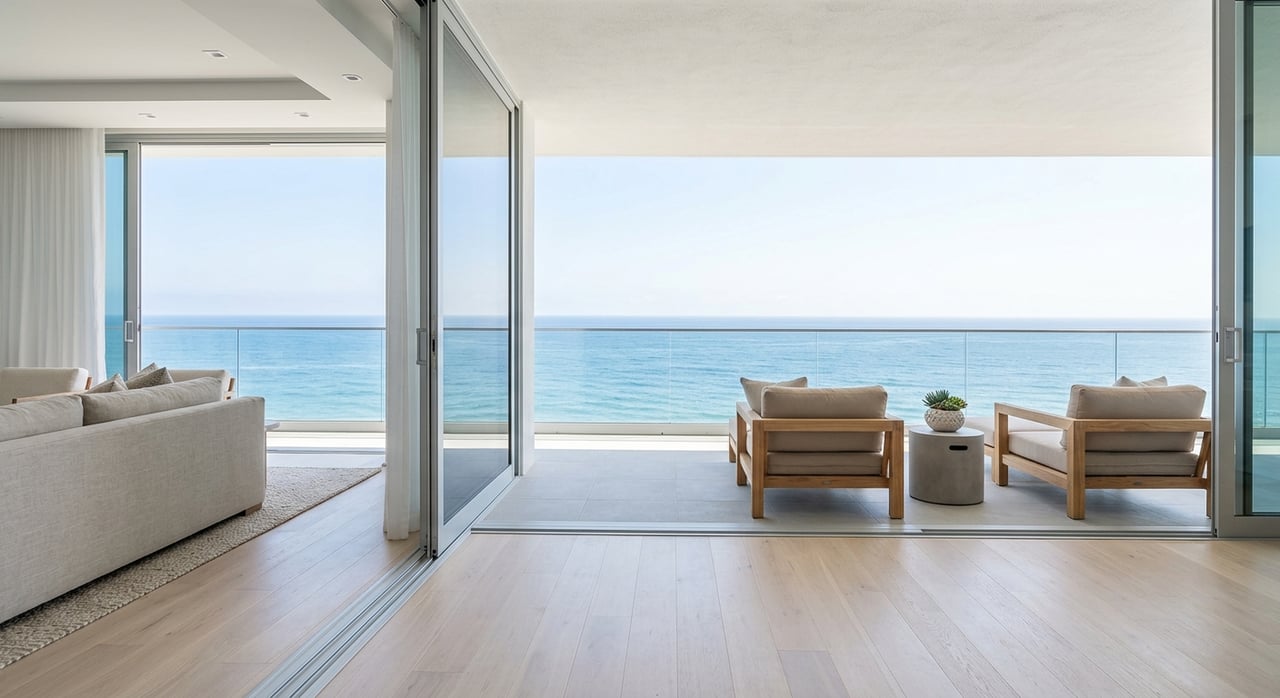
That structure can make ownership feel more manageable when you are not in residence full time. The community also offers a broad amenity package, including four beachfront pools, a Beach Club, a health club, tennis courts, pickleball courts, the Roeder Pavilion, and direct frontage along 1,800 feet of Coronado Beach, as noted on the Coronado Shores website.
For frequent travelers, the location adds another layer of convenience. The community is adjacent to Hotel del Coronado, about 10 minutes from Downtown San Diego, and about 15 minutes from the airport, according to the same official site.
Start With a Simple Layout
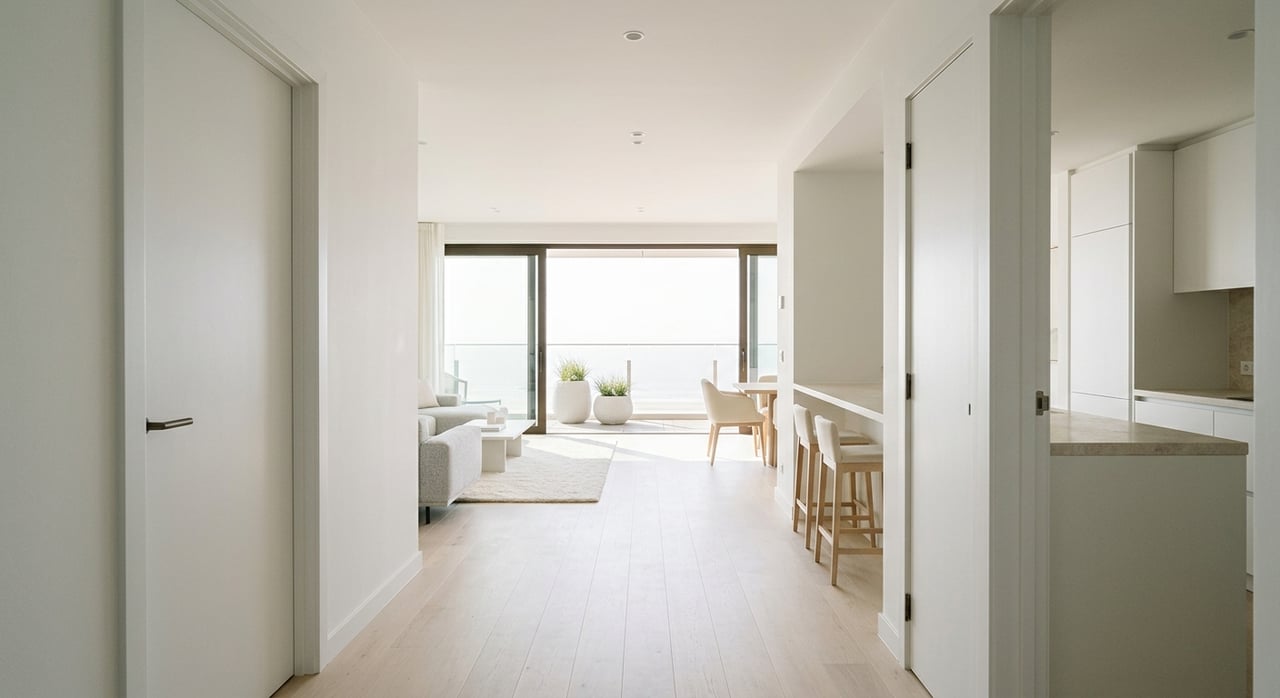
The easiest lock-and-leave home is one that is simple to reset. In a condo setting like Coronado Shores, that usually means creating a clear daily living zone, an uncluttered primary suite, and at least one flexible guest room or den that can adapt to visitors, reading, or light work-from-home needs.
When you arrive with luggage, groceries, or beach gear, a clean flow matters. You want to move naturally from entry to storage, kitchen, and living space without obstacles. A layout that feels open but not oversized is often easier to maintain between visits.
If you are downsizing, thoughtful circulation becomes even more important. Less square footage can still feel generous when furniture does not crowd pathways and each area has a clear purpose.
Prioritize Easy Arrival and Departure
A lock-and-leave home should work well on both your first hour back and your last hour before leaving. That is why it helps to think beyond style and focus on routines.
A practical setup often includes:
- A defined drop zone near the entry
- Closed storage for luggage and beach items
- A guest room that can double as a den
- Open walkways that stay clear when packing or unpacking
- A primary bedroom with minimal visible clutter
These choices can reduce the sense that you need to “set up” the home every time you arrive.
Make Storage Part of the Design
In a part-time coastal home, storage should never be treated as an afterthought. It is one of the main features that helps the property stay tidy, functional, and easy to leave behind.
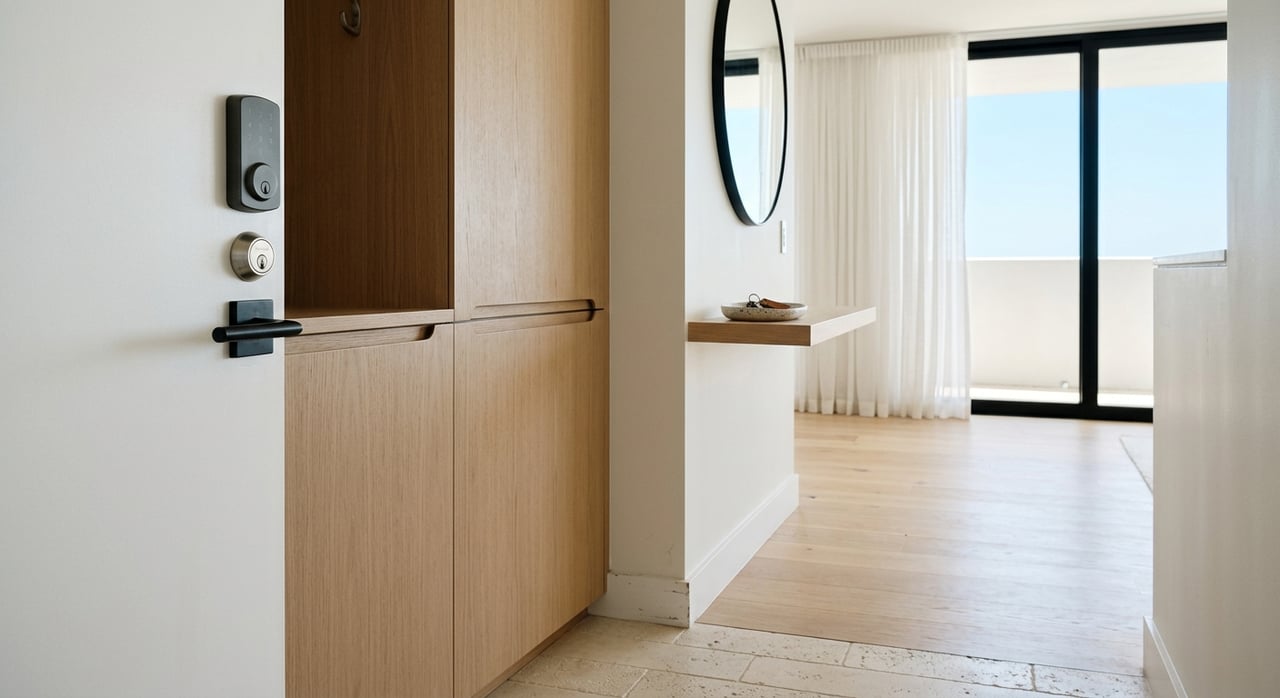
Closed storage near the entry can help contain beach towels, bags, shoes, and other grab-and-go items. A dedicated cleaning closet also makes it easier to keep supplies in one place, which matters when you want to do a quick reset before locking up.
Concealed everyday storage can make the entire condo feel calmer. When counters, consoles, and bedroom surfaces stay relatively clear, your home is easier to maintain and more welcoming when you return.
Smart Storage Ideas for Shores Condos
For many Coronado Shores owners, the best storage is the kind you barely notice. Built-ins, sealed cabinetry, and hidden utility space can do a lot of work without making a condo feel crowded.
Useful storage priorities include:
- Entry cabinets for sandals, hats, and beach gear
- Closed luggage storage in a hall or guest room
- Drawer-based organization in kitchens and baths
- A dedicated spot for mail, keys, and chargers
- Hidden storage that keeps visual clutter low
In a beachfront setting, storing belongings behind doors also helps reduce the look of sand and everyday mess between visits.
Choose Durable Coastal Finishes
In a lock-and-leave beach condo, durability should lead the design conversation. Moisture is one of the biggest long-distance risks, especially when a home may sit empty between stays.
The CDC’s mold guidance says mold growth is driven by moisture and advises keeping indoor humidity no higher than 50 percent. The EPA guidance referenced by the research also supports maintaining lower indoor humidity, ideally in the 30 to 50 percent range and below 60 percent.
That means your most important finish decisions are often in the places where moisture and wear collect first. Bathrooms, sink areas, and entry transitions deserve materials that are easy to clean and better able to tolerate damp conditions.
According to DOE building-science guidance, wood, drywall, and other materials are more vulnerable in wet zones, and water-resistant materials are recommended in those areas. The same guidance also emphasizes sealing seams and penetrations in moisture-control assemblies.
Focus on Active Zones First
If you are planning updates, start with the spaces that do the hardest daily work. Those are the areas where performance matters most.
Prioritize low-maintenance finishes in:
- Bathrooms
- Kitchen sink areas
- Laundry or utility spaces
- Entryways
- Any transition zone where sand or moisture is common
Easy-clean floors, wipeable wall finishes, and sealed cabinetry can all support a lower-maintenance setup. In contrast, delicate fabrics and high-maintenance treatments may be better used sparingly, especially where sun, salt air, and moisture are part of daily life.
Use Corrosion-Resistant Details
Coronado’s beachfront setting brings another design factor into play: salt exposure. Over time, salt-marine conditions can affect metal components and finishes.
The DOE’s corrosion guidance identifies atmospheric salt mist and marine conditions as ongoing maintenance challenges. In practical design terms, that supports choosing corrosion-resistant hardware and durable finish selections wherever possible.
That is especially useful for:
- Door hardware
- Cabinet pulls
- Bath trim
- Faucets
- Other frequently touched metal details
These choices may seem small, but they can help reduce visible wear and protect the clean, polished look many buyers want in a Coronado Shores residence.
Add Smart-Home Tools That Matter
You do not need to overcomplicate a lock-and-leave condo. A few well-chosen smart-home features can go much further than an overloaded system.
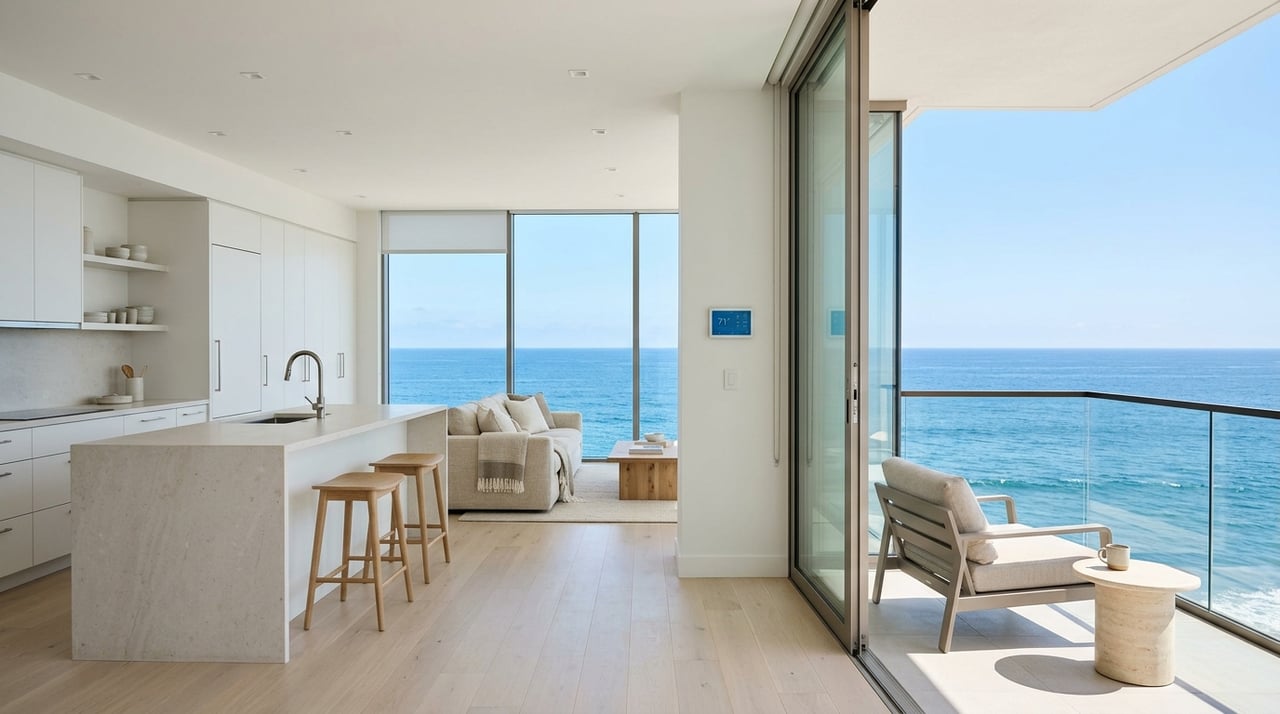
One of the most relevant upgrades is a remote-controlled thermostat. ENERGY STAR notes that smart thermostats can be controlled remotely, can use geofencing, and can automatically adjust schedules when homeowners are away.
For a part-time owner, that can help you manage comfort and energy use without running the home as if someone were there full time. It also supports a smoother return, since you can adjust the climate before you arrive.
Pair Climate Control With Humidity Awareness
Because moisture is such a key issue in coastal homes, remote temperature control works best when you also think about humidity. A practical plan can include humidity monitoring and regular HVAC service, helping the condo stay in a safer range while it is vacant.
This approach aligns with the broader moisture guidance from the CDC and EPA. It also fits the real goal of lock-and-leave ownership: making the home easy to monitor, easy to verify, and easy to enjoy.
Plan Renovations Early
If you are buying a unit to refresh over time, it helps to sort out approvals before the design process gets too far. In Coronado, permit-related work should be identified early, especially when plumbing, electrical, or coastal review may be involved.
The City of Coronado’s Building Services division states that structures must conform to California Building Code standards and that the city processes permits for projects. The same page explains that Planning & Zoning handles zoning standards, building heights, and coastal permits.
For condo owners, that means even a straightforward remodel can benefit from early planning. Cosmetic updates may be simpler, but permit-triggering work should be clarified before timelines and budgets are set.
Understand the Community Access Framework
Coronado Shores also operates with an established access-control system. According to the community rules and regulations, residents and guests need a proximity photo ID card, temporary card, or guest pass to use access-controlled facilities.
The rules also note that owner cards can be deactivated when a unit is rented, and owners are responsible for tenant and guest compliance. That is useful context if you want a home that feels secure, structured, and relatively low touch when you are not there.
Design for Calm, Not Constant Attention
The best lock-and-leave homes in Coronado Shores are not just attractive. They are easy to live in, easy to close up, and easy to return to. A smart layout, durable finishes, hidden storage, and a few practical tech upgrades can help your condo support the kind of coastal ownership many buyers want.
If you are weighing purchase options, remodel potential, or the long-term fit of a Shores residence, local guidance makes a difference. The Morabito Real Estate Group can help you evaluate Coronado Shores properties with a clear eye for layout, lifestyle, and low-maintenance ownership.
FAQs
What layout works best for a lock-and-leave Coronado Shores home?
- A simple layout with a clear living zone, an uncluttered primary suite, and a flexible guest room or den is often easiest to reset and maintain.
What finishes are best for a coastal condo in Coronado Shores?
- Durable, low-maintenance finishes are usually best, especially in bathrooms, sink areas, and entries where moisture and sand are more likely to collect.
What storage features help in a part-time Coronado Shores residence?
- Closed entry storage, concealed everyday storage, luggage space, and a dedicated cleaning closet can help keep the condo tidy between visits.
What smart-home upgrades matter most in a lock-and-leave condo?
- A remote-controlled smart thermostat is one of the most useful upgrades, especially when paired with humidity awareness and routine HVAC service.
What remodeling work in Coronado may need approvals or permits?
- Projects involving plumbing, electrical work, code compliance, zoning standards, or coastal permit review should be sorted out early through the City of Coronado and any applicable community requirements.