Is pricing your Del Mar luxury home starting to feel like both an art and a science? You are not alone. In a small, highly desirable coastal market, two homes with the same square footage can sell for very different prices based on view, privacy, and permits. In this guide, you will learn what really drives value in Del Mar, how to build a pricing strategy that attracts qualified buyers, and the steps to support your number with confidence. Let’s dive in.
Understand Del Mar’s luxury market dynamics
Scarcity and who is buying
Del Mar is a limited-supply coastal market where each listing can attract attention from across San Diego and beyond. Buyers often include local high-net-worth residents, second-home buyers from Los Angeles or the Bay Area, out-of-state and international purchasers, and those drawn to lifestyle amenities like the beach and dining. Many buyers place a premium on privacy, ocean views, outdoor living, and quality finishes.
How limited comps shape pricing
Because luxury sales in Del Mar are infrequent, direct comparable sales can be scarce. You may need to widen your comp set by time and geography to include nearby coastal neighborhoods such as Solana Beach, North La Jolla, or Cardiff-by-the-Sea, and sometimes inland areas like Del Mar Heights or Carmel Valley for size and quality context. Keep in mind that off-market and pocket listings are common, so list-price history alone might not reflect true demand.
Value drivers that move price in Del Mar
Ocean views and coastal position
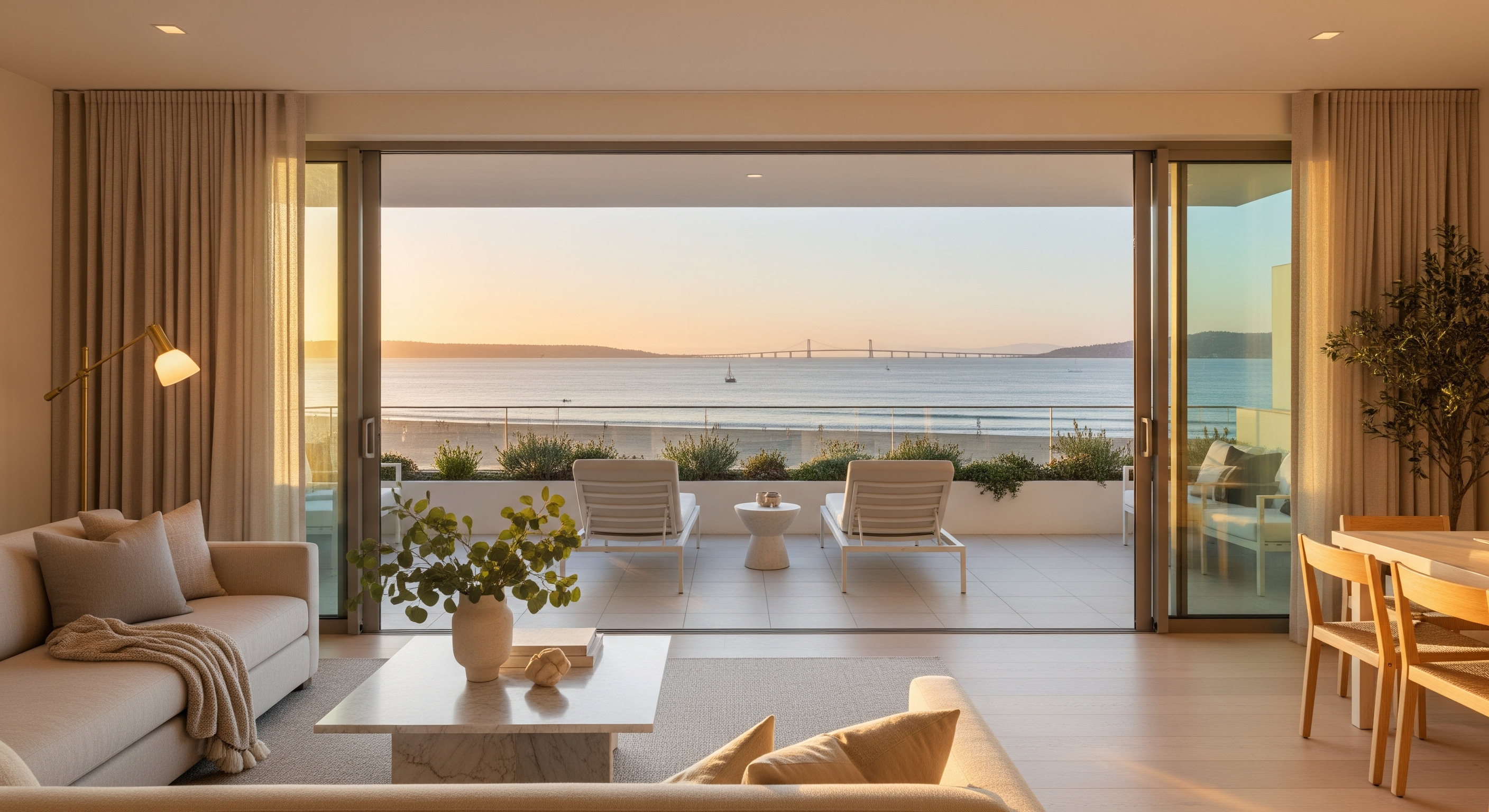
Oceanfront and bluff-top properties consistently command premiums. Distinguish view tiers clearly: direct and unobstructed water views, partial or transitional views, and no ocean view. Homes with private or direct beach access often secure higher prices than those that rely on public access points.
Lot characteristics and constraints
Bluff erosion, coastal setbacks, and buildable area are major factors. A bluff-edge location can bring both a view premium and a risk discount if erosion or future development limits are present. Usable outdoor space often matters more than raw acreage, especially in dense coastal settings.
Architecture, finishes, and systems
High-quality construction, recent high-end renovations, and luxury systems increase marketability. Elevators, integrated smart-home systems, commercial-grade kitchens, wine rooms, and premium appliances can justify higher pricing when executed with permits and inspections. Unpermitted work can reduce value and create friction during negotiations.
Outdoor living and amenity sets
Pools, large decks, outdoor kitchens, guest houses or ADUs, secure gated entries, and privacy-focused landscaping are strong price drivers. The ability to enjoy the coastal lifestyle at home adds tangible value for Del Mar buyers.
Privacy and adjacency
Distance from busy streets, separation from commercial activity, and thoughtful site orientation help protect privacy and security. For high-end buyers, these features can outweigh additional interior square footage.
Regulatory, insurance, and risk exposures
Coastal regulations can affect a property’s future development potential and carrying costs. The California Coastal Commission and the City of Del Mar local coastal program guide rules for setbacks and coastal development permits. Flood exposure, bluff erosion, and potential sea-level rise influence insurability and buyer confidence. Verifying these factors early helps you price with fewer surprises.
Taxes, assessments, and local fees
California’s property tax framework generally applies, and supplemental assessments may be relevant when ownership changes. Confirm any parcel taxes or special assessments. If your property is within a community facilities district, verify potential Mello-Roos or similar levies.
Zoning, uses, and short-term rentals
Zoning and local rules can affect revenue potential for investment-minded buyers, including the use of ADUs or short-term rentals. Confirm current City of Del Mar ordinances and any applicable coastal oversight before using income projections to justify price.
Build a pricing foundation
Use a blended valuation approach
- Sales comparison is primary. Expand the radius and lookback period to find truly comparable view tiers, bluff positions, and amenity sets.
- Cost or replacement approach can help establish a price floor for newer custom builds or heavily renovated estates when comps are thin.
- Income approach may be relevant if the home has proven rental history under current rules. Many luxury homes are owner-occupied or second homes, so income is often secondary.
CMA best practices for coastal luxury
Your comparative market analysis should make explicit, line-item adjustments for the features that drive value most in Del Mar. Consider adjustments for ocean view tier, direct beach access, bluff-edge versus bluff-top setback, presence of an ADU or guest house, private beach easements, parking and garage capacity, and documented, recent permitted upgrades. A clear, feature-adjusted comp matrix helps you and buyers see the logic behind the price.
Treat price per square foot with caution
Price per square foot can be misleading in Del Mar because view, lot, and outdoor living can outweigh interior size. Use PPSF as a reference point only, not a single deciding metric.
When to order appraisals and inspections
- Appraisal: If your likely buyer will use financing, select an appraiser with San Diego coastal luxury experience. This can reduce appraisal risk.
- Inspections: Pre-listing inspections and permit history audits reduce buyer anxiety and help justify a higher asking price. If you are on or near a bluff, a geotechnical review and documentation of stability can be invaluable.
Smart pricing strategies
Price bands and search thresholds
Luxury buyers commonly search within price bands. Small list-price changes can shift your home into a different search bracket and change the size and quality of your buyer pool. Map your list price to the bands most likely to capture your target audience.
Anchoring and staged list approach
Some sellers set a higher initial list price to test the market, then adjust based on feedback. Others price slightly under their perceived market value to stimulate competition. Both strategies can work, but each carries risk in a low-inventory market where one standout sale can reset expectations. Choose your approach based on property uniqueness and your timeline.
Exclusivity versus exposure
Limited showings and curated previews for qualified buyers can preserve privacy and leverage. On the other hand, maximizing exposure through public listing and marketing campaigns can expand your buyer pool and competition. The decision depends on your privacy needs, the uniqueness of the home, and the current level of demand.
Marketing that protects price
Premium presentation essentials
In Del Mar, presentation is not optional. High-end photography, drone imagery that showcases bluff and neighborhood context, detailed floor plans, and cinematic video help buyers understand the lifestyle on offer. Targeted digital outreach to local and out-of-area high-net-worth audiences, combined with polished print materials and private showings, can elevate perceived value.
Off-market versus on-market
Off-market and pocket listings are common in the luxury tier. Selling privately can offer discretion, but a public launch can create broader competition and a potential premium. Consider your privacy preferences and the level of demand for your specific view tier and location.
Timing and seasonality
Coastal markets often experience stronger activity in spring and summer, although luxury demand can be more event or lifestyle driven. If your property benefits from seasonal draw, such as proximity to summer attractions, plan to align with peak visibility.
Disclosures that build confidence
Thorough disclosures, permit documentation, geotechnical reports if applicable, and clarity on insurance history help buyers feel secure. Transparency reduces risk discounting and supports a stronger final price.
Negotiation levers and financing realities
In a tight luxury market, seller concessions can dilute the final result. Instead, consider terms that matter to buyers without lowering the headline price, such as a faster close, flexible occupancy, or inclusion of select fixtures. If financing is involved, remember that lender appraisals can cap value. Being appraisal ready with comps and documentation helps protect price.
Step-by-step seller checklist
- Align on goals and timing. Clarify your ideal timeline, privacy needs, and flexibility on terms versus price.
- Audit the property. Order pre-listing inspections, gather permit history, and if applicable, obtain geotechnical or bluff stability reports.
- Verify regulations and risks. Confirm zoning, short-term rental rules, coastal development requirements, and any parcel assessments.
- Build a feature-adjusted CMA. Expand comps by geography and time as needed. Adjust explicitly for view tier, beach access, bluff position, outdoor amenities, parking, and recent permitted improvements.
- Consider a pre-listing appraisal. If you anticipate financing or appraisal sensitivity, engage a coastal-experienced appraiser.
- Prepare the property. Complete high-impact, permitted improvements and address inspection items that could trigger buyer discounting.
- Craft your pricing strategy. Select your price band and list strategy, and define your adjustment triggers based on showing feedback and days on market.
- Plan a premium launch. Schedule architectural photography, drone footage, video, and print materials. Determine whether you will preview to qualified buyers off-market or launch publicly.
- Set your negotiation playbook. Decide ahead of time on concessions, included fixtures, and occupancy terms that support a top-line price.
- Monitor and adjust. Track showing feedback, buyer profiles, and activity levels. Adjust price or terms only with a clear, data-backed rationale.
Partner with a coastal expert
Pricing a luxury home in Del Mar calls for precision, market reach, and documentation that de-risks the property for discerning buyers. You deserve a hands-on strategy that pairs a feature-adjusted CMA with premium presentation and proactive communication. If you want a trusted advisor to guide every step, from pre-list planning to negotiation and close, connect with The Morabito Real Estate Group for a private consultation.
FAQs
How do ocean views impact Del Mar pricing?
- Direct, unobstructed ocean views often command a significant premium over partial or no views, especially when paired with private or direct beach access.
What if there are no perfect comps for my home?
- Expand your search by time and geography to similar coastal neighborhoods and adjust carefully for view tier, bluff position, amenities, and condition.
Should I rely on price per square foot in Del Mar?
- Use PPSF only as a reference, since view, lot characteristics, and outdoor living can outweigh interior size in this luxury coastal market.
Do I need a pre-listing appraisal for a luxury sale?
- It helps when financing is likely or the property is highly unique. Choose an appraiser with San Diego coastal luxury expertise to reduce appraisal risk.
How do coastal regulations affect my home’s value?
- Setbacks, development permits, and environmental exposures can limit future improvements and influence insurability, which may affect both price and buyer pool.
Is selling off-market better for a luxury home?
- Off-market sales can protect privacy, while a public launch may maximize competition and price. The right choice depends on your goals and current demand for your property type.