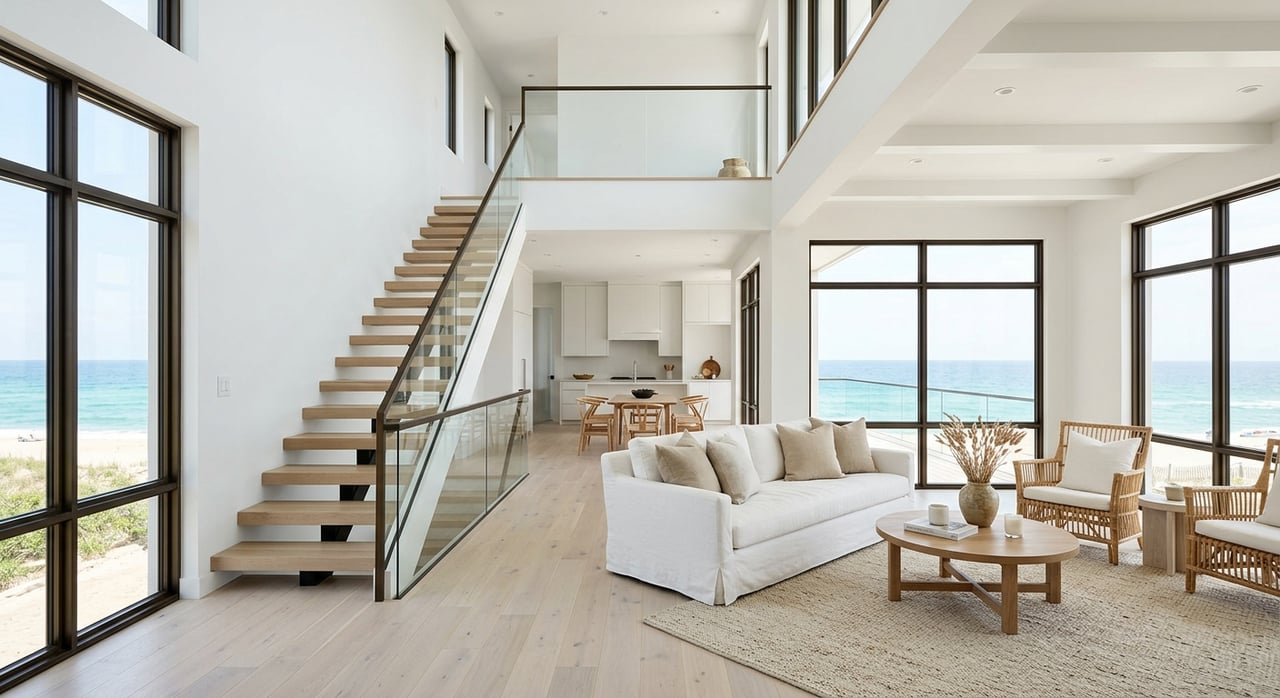
Wondering whether a single-level or multi-level home makes more sense in Coronado Village? In a market where many homes are older, values are high, and daily life often includes beach gear, guests, and indoor-outdoor living, that choice can shape how comfortable your home feels now and how flexible it stays later. If you are weighing privacy, accessibility, resale appeal, or renovation potential, the right answer depends on how you plan to live. Let’s dive in.
Why floor plan matters in Coronado Village
Coronado describes itself as a small seaside community with an ocean village atmosphere, about 13.5 square miles in size, with roughly 23,000 residents and Navy population, plus around two million visitors each year. That setting creates a lifestyle where walkability, outdoor access, and efficient home flow often matter as much as square footage.
The local housing stock also makes layout a bigger decision here than in many other markets. Coronado’s housing element data shows 57% single-family and 43% multifamily housing, with 78% of units built more than 30 years ago and 18.1% built in 1939 or earlier. Add in the fact that 22.1% of residents are 65 or older and the average owner-occupied home value is above $2,000,000, and floor plan becomes a long-term planning choice, not just a style preference.
Single-level homes in Coronado Village
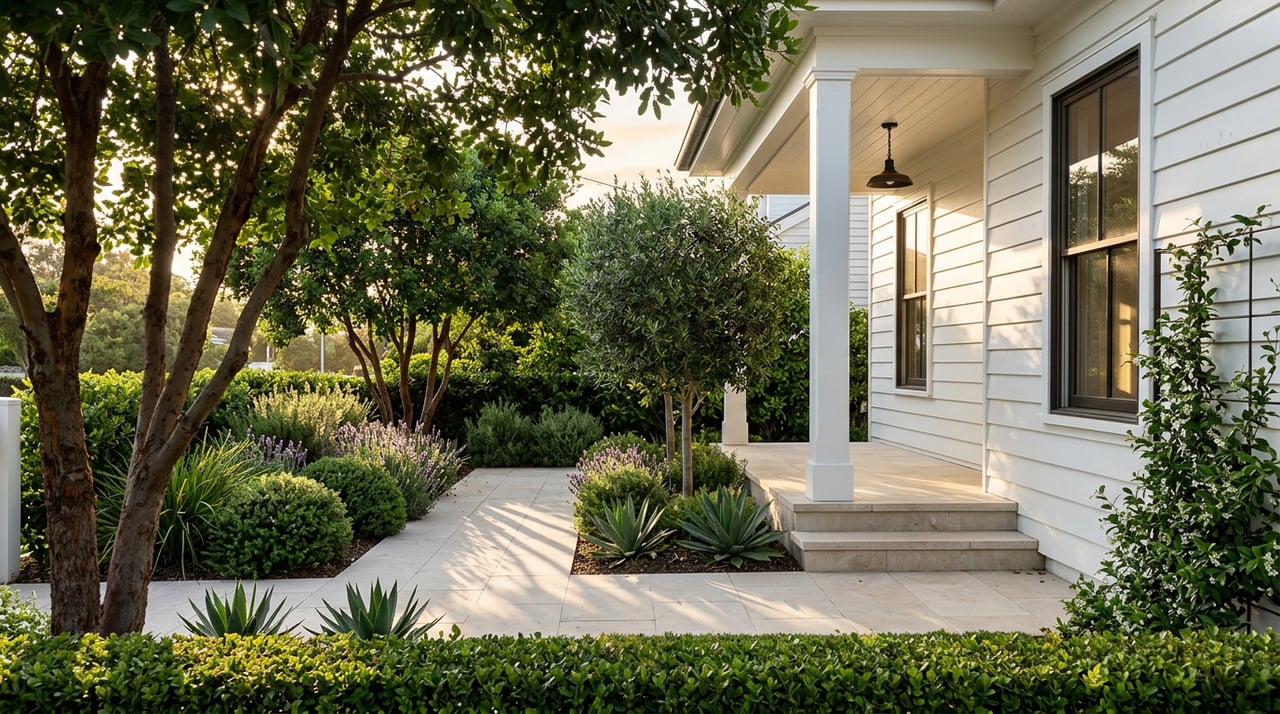
Single-level homes are often the easiest to live in day to day. If your routine includes carrying groceries, moving beach chairs and bikes, or simply wanting fewer steps between key spaces, one-story living can feel straightforward and efficient.
AARP HomeFit guidance identifies single-story living and zero-step entry as core accessibility features. That kind of setup can help older adults, wheelchair users, parents with strollers, and anyone recovering from an injury. In practical terms, it can also make your home easier to use for a wider range of guests over time.
Key advantages of single-level living
A single-level layout can simplify movement between the kitchen, living room, patio, garage, and storage areas. In Coronado’s beach-oriented environment, that ease can matter more than buyers expect during a quick showing.
Single-level homes may also be a strong fit if you are thinking about aging in place. When the primary bedroom, a full bath, laundry, and main living areas all sit on one floor, your home may stay functional longer without major daily adjustments.
Common tradeoffs to consider
The main drawback is usually separation. With everything on one floor, sleeping areas and shared spaces may feel more connected, which can be less ideal if you want quiet guest quarters, a distinct office zone, or more privacy for different household routines.
That does not mean a single-level home cannot work beautifully for flexible living. It simply means the floor plan needs to be studied carefully so you understand how noise, traffic flow, and room placement will affect everyday use.
Multi-level homes in Coronado Village
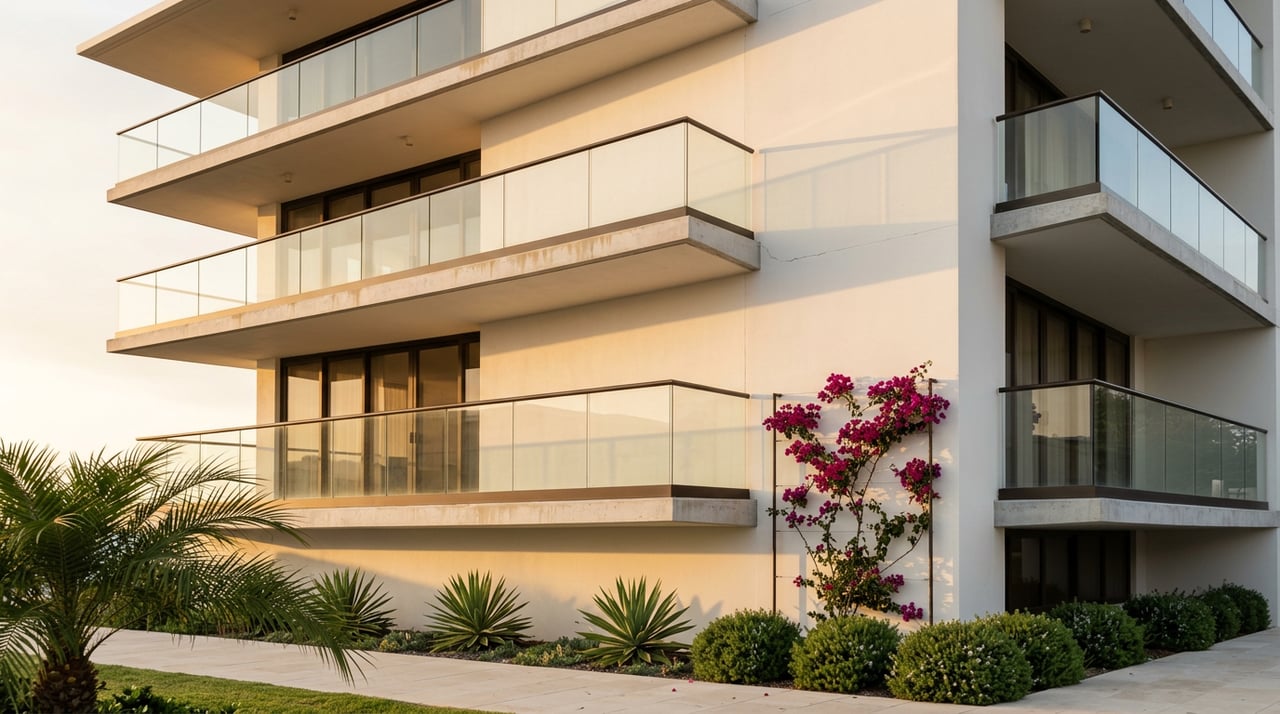
Multi-level homes often appeal to buyers who want clearer boundaries between shared and private spaces. In Coronado Village, that can be especially valuable if you host often, work from home, or want separate zones for guests and daily living.
A vertical layout can also create more distance from the street and neighboring homes. In a compact coastal setting, that added separation can contribute to a stronger sense of privacy, depending on the lot and design.
Key advantages of multi-level living
The biggest strength of a multi-level home is room separation. You may be able to keep entertaining areas on one level and reserve bedrooms or office space on another, which can make the home feel more organized and adaptable.
This layout can also work well for households planning for older children, overnight guests, or dual living zones. If your goal is to have more than one functional hub inside the home, multiple levels may give you more options.
Common tradeoffs to consider
Stairs are the clearest challenge. AARP recommends features like sturdy handrails, better lighting, and non-slip surfaces to make stairs safer, and notes that chairlifts or home elevators can help when single-story living is needed but not available.
For many buyers, the real question is not whether stairs are manageable today. It is whether your daily routine could still work comfortably in the future if stair use became less convenient.
How to choose the right fit
The best layout depends on how you live, not just how a home photographs. In Coronado Village, buyers often benefit from thinking beyond the current look of a property and focusing on how the floor plan supports real life over the next five to ten years.
Single-level may be right for you if:
- You want fewer stairs in your daily routine.
- You are planning for aging in place.
- You value easy access to patios, yards, or outdoor seating.
- You want simpler circulation between living areas and storage.
- You prefer convenience over strict separation of rooms.
Multi-level may be right for you if:
- You want stronger separation between living and sleeping areas.
- You need space for guests or a dedicated home office.
- You like the idea of dual living zones.
- You want more privacy from the street or neighboring homes.
- You are comfortable with stairs as part of daily life.
What to check during a home tour
In Coronado Village, small layout details can have a big impact. A home may look appealing online, but the real test is how it functions when you imagine groceries, laundry, sandy feet, overnight visitors, and future flexibility.
Entry and main living setup
Count the steps from the curb or garage to the main living level. Then check whether the primary bedroom, a full bath, and laundry are on the same floor.
Zero-step access and wider hallways are strong signs of long-term usability. Even if accessibility is not a priority today, it can still add practical value over time.
Stair safety and comfort
If the home has stairs, pay close attention to how they feel. Look for sturdy handrails, good lighting, non-slip treads, and landings that feel easy to use every day.
A staircase that seems fine in a quick tour may feel very different after months of carrying suitcases, laundry baskets, or beach gear. Comfort matters as much as appearance.
Indoor-outdoor flow
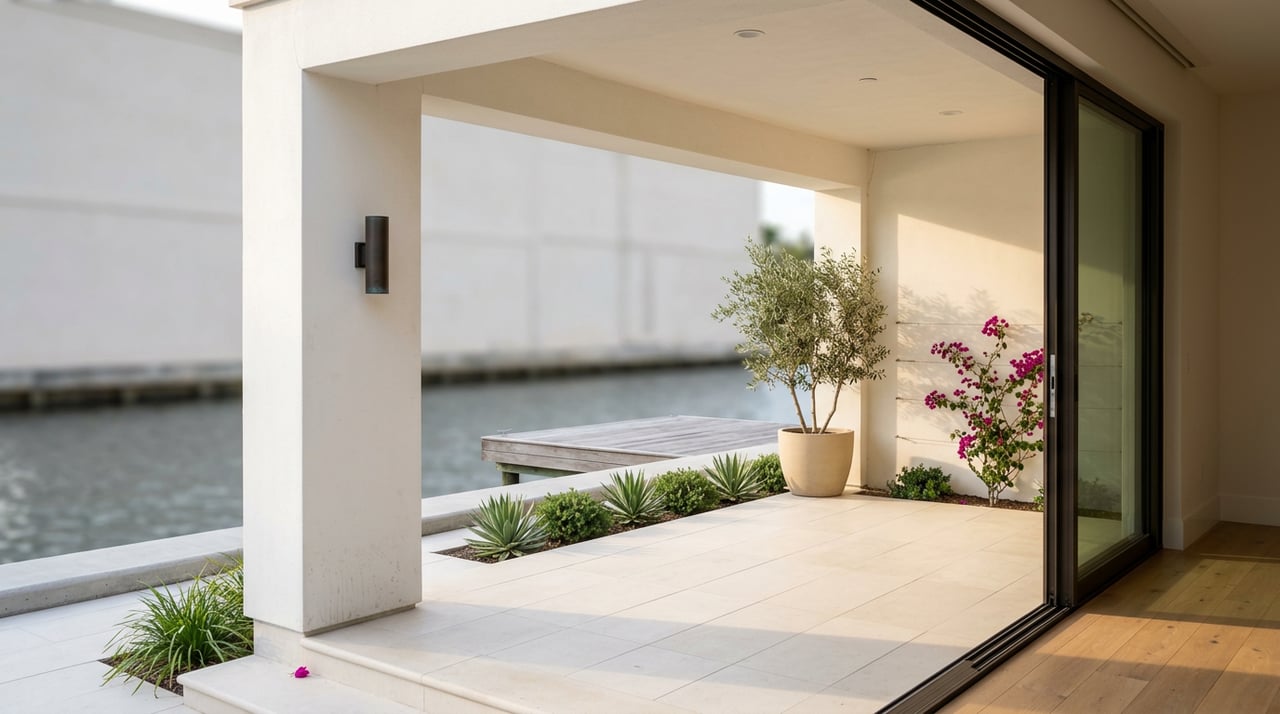
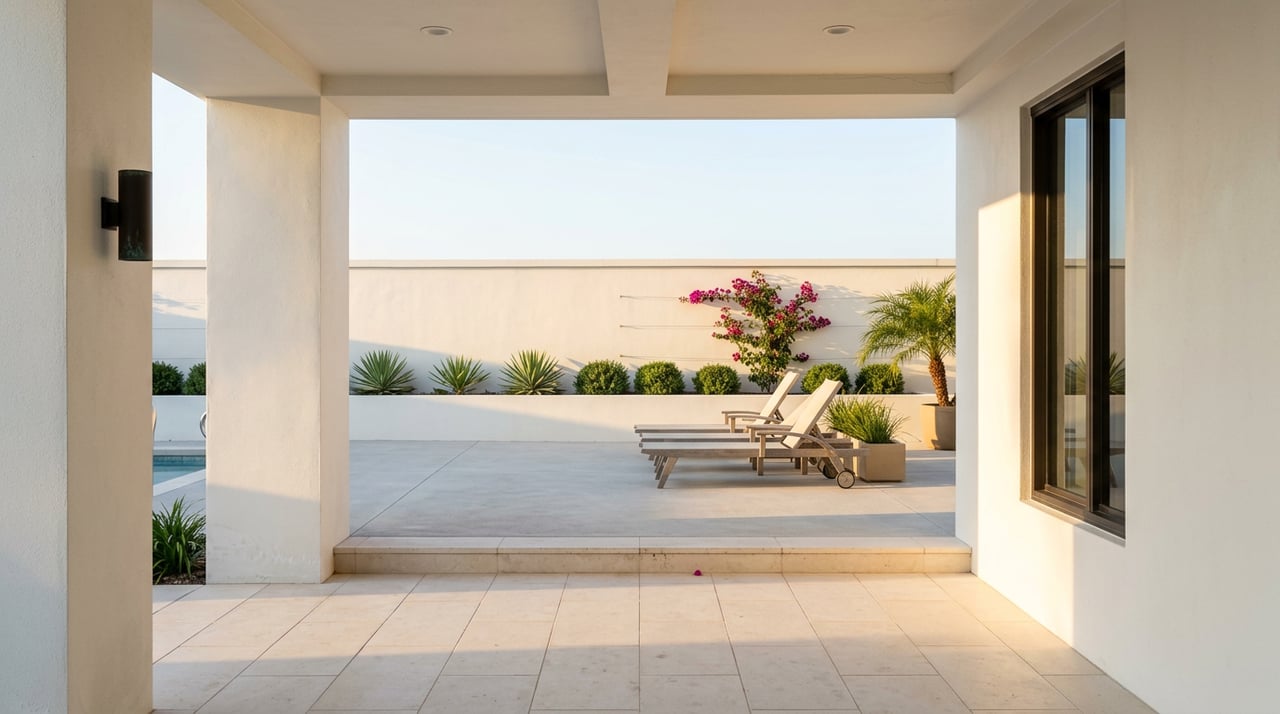
Coronado living often extends beyond the walls of the home. Check whether the kitchen and main living space connect naturally to a patio, deck, or yard.
AARP notes that porches, patios, and outdoor seating can help people of all ages spend more time outside. In a coastal setting, that connection can make a home feel more livable and more useful year-round.
Beach practicality
In a beach environment, storage and transition space matter. Look for places to keep boards, bikes, chairs, and umbrellas, along with rinse-off areas and easy ways to contain sandy traffic.
This is one of those features buyers sometimes overlook at first. Later, it often becomes one of the most important parts of daily convenience.
Think beyond today’s layout
In Coronado, future changes are not always simple. The city’s design-review process applies to new construction and exterior remodels, and historic-preservation rules may require review for older or designated properties.
If a property is 75 years old or more, removing original street-visible features can trigger a Determination of Historic Significance Review. Designated historic resources require a Historic Resource Alteration Permit for exterior modifications.
That means you should not assume a one-story home can easily be expanded or that a multi-level home can be reworked without added complexity. In this market, long-term flexibility starts with buying the right layout from day one whenever possible.
ADU potential and resale flexibility
Coronado’s 2021 to 2029 Housing Element says the city is planning for 912 new units and expects about 195 ADUs during the planning period. It also notes that Coronado’s large share of single-family residential properties makes it well oriented for ADU development.
For buyers, that can matter in both single-level and multi-level scenarios. A lot with ADU potential may support guest space, multigenerational living, or future resale flexibility, especially when the main house layout has limitations.
Given Coronado’s high home values, buyers often pay close attention to homes that are comfortable now and adaptable later. A well-designed single-level home may offer broad appeal, while a well-located multi-level home may hold value through privacy and layout separation.
The bottom line for Coronado buyers
There is no one-size-fits-all winner between single-level and multi-level homes in Coronado Village. The better choice depends on your daily routine, your future plans, and how much weight you place on privacy, accessibility, and flexibility.
In a market with older homes, premium pricing, and review considerations for some improvements, floor plan deserves careful analysis before you write an offer. When you evaluate how a home will live, not just how it looks, you put yourself in a stronger position to buy well.
If you want help comparing layouts, evaluating long-term flexibility, or identifying the right Coronado Village fit for your goals, The Morabito Real Estate Group can guide you with local insight and a high-touch approach.
FAQs
What is the main benefit of a single-level home in Coronado Village?
- The biggest advantage is ease of daily living, especially if you want fewer stairs, easier indoor-outdoor access, and a layout that may work better for aging in place.
What is the main benefit of a multi-level home in Coronado Village?
- The biggest advantage is separation of space, which can be helpful if you want more privacy, guest areas, a dedicated office, or distinct living zones.
Are older homes in Coronado Village harder to remodel?
- They can be, because Coronado’s design-review rules apply to new construction and exterior remodels, and some older or designated properties may also face historic-preservation review.
How can I evaluate stairs when touring a Coronado Village home?
- Check for sturdy handrails, good lighting, non-slip treads, and easy-to-use landings, and think about how the stairs would feel during normal daily routines.
Does ADU potential matter when choosing a Coronado Village floor plan?
- Yes, because ADU potential can add flexibility for guests, multigenerational living, or future resale, especially on single-family lots in Coronado.
Which Coronado Village layout is better for aging in place?
- In most cases, a single-level layout with zero-step entry and key living spaces on one floor is the more aging-in-place-friendly option.